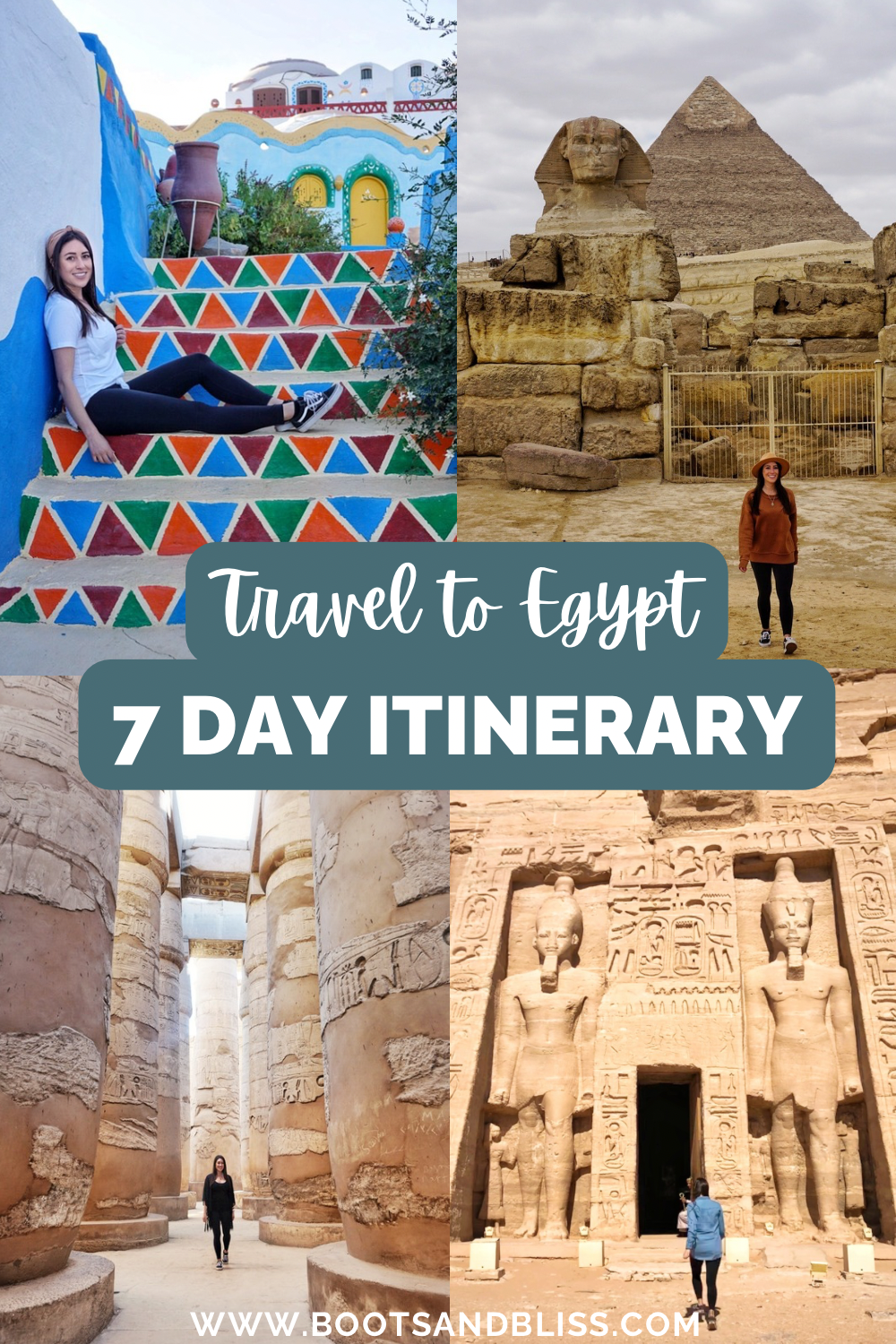
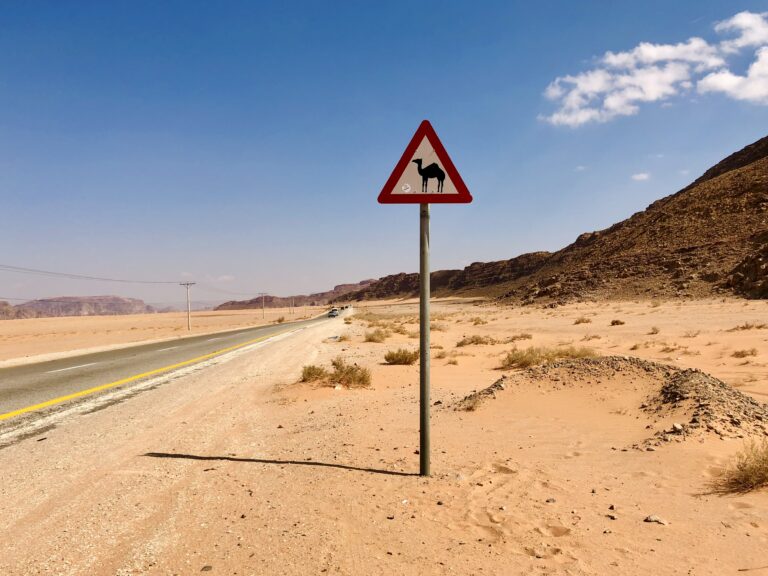
Travel to Egypt: 7 Day Itinerary
Did you know that you can see all of the major attractions in Egypt in 7 days?! Follow this travel guide to help you plan a once in a lifetime trip to Egypt.
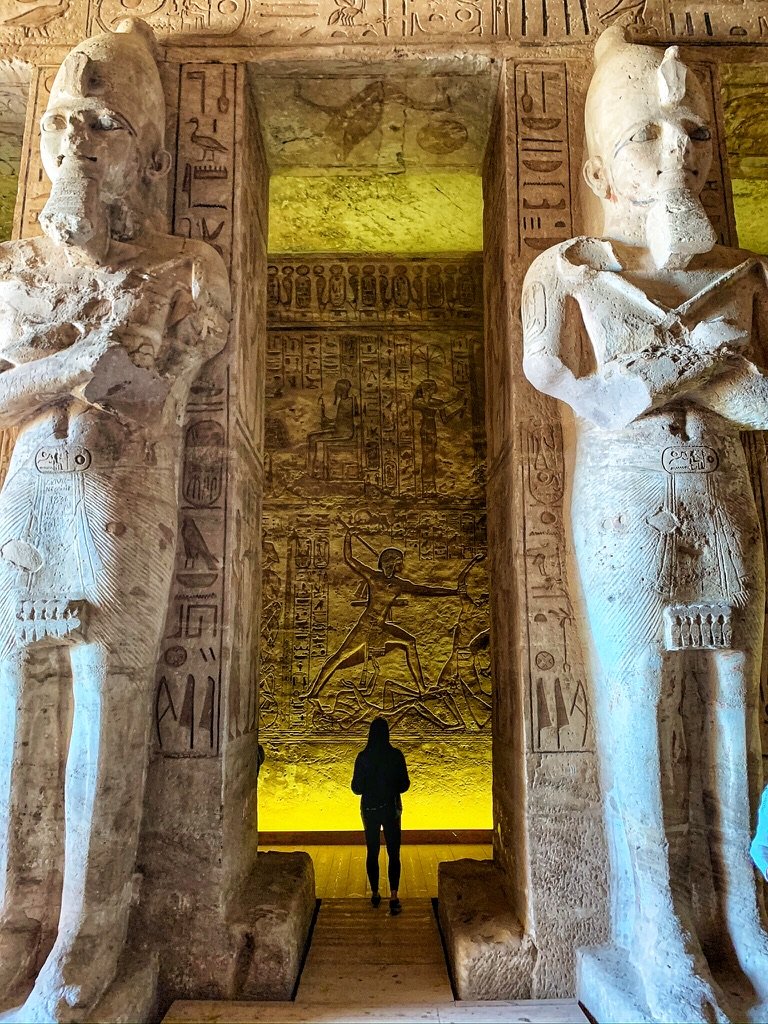
Egypt is a dream destination for adventures and history lovers. For centuries, Egypt has captured the imaginations of explorers, archaeologists, and people around the world. If you love ancient civilizations and mysteries, you need to visit Egypt!
Egypt 7 Day Itinerary
Is One Week in Egypt Enough?
There’s a lot of ground to cover in a one week trip to Egypt, but it’s doable! This 7 day Egypt itinerary will take you to Cairo, then following the Nile River south to Aswan, and finally to Luxor to explore the highlights of ancient Egypt in a one week trip.
Where to Stay in Cairo
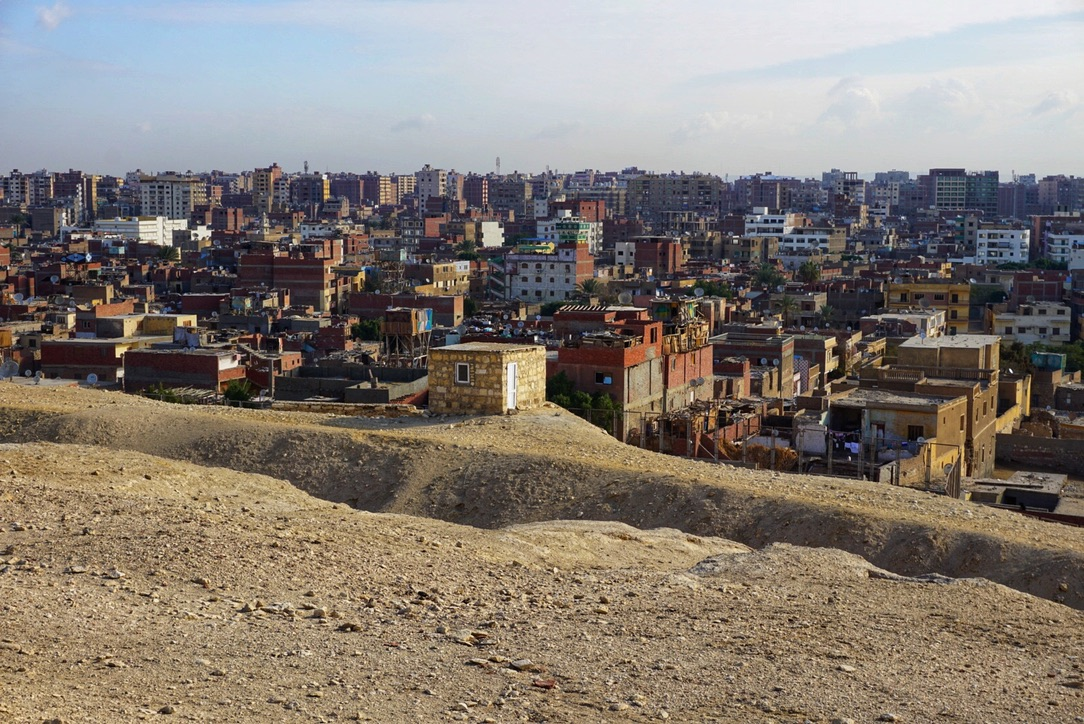
Most travelers stay in either downtown Cairo or nearby Giza. Choosing an accommodation in downtown Cairo will position you closer to the major attractions in the city such as the Egyptian Museum and the Khan El Khalili Bazaar. Central Cairo is a lively place with local gems, historic architecture, and insight to modern day Egyptian life.
We chose to stay in Giza, which is about 20 minutes (depending on traffic) outside of the city. We preferred Giza because we wanted to be as close to the Pyramids as possible! This allowed us to have a view of the pyramids of Giza from our hotel.
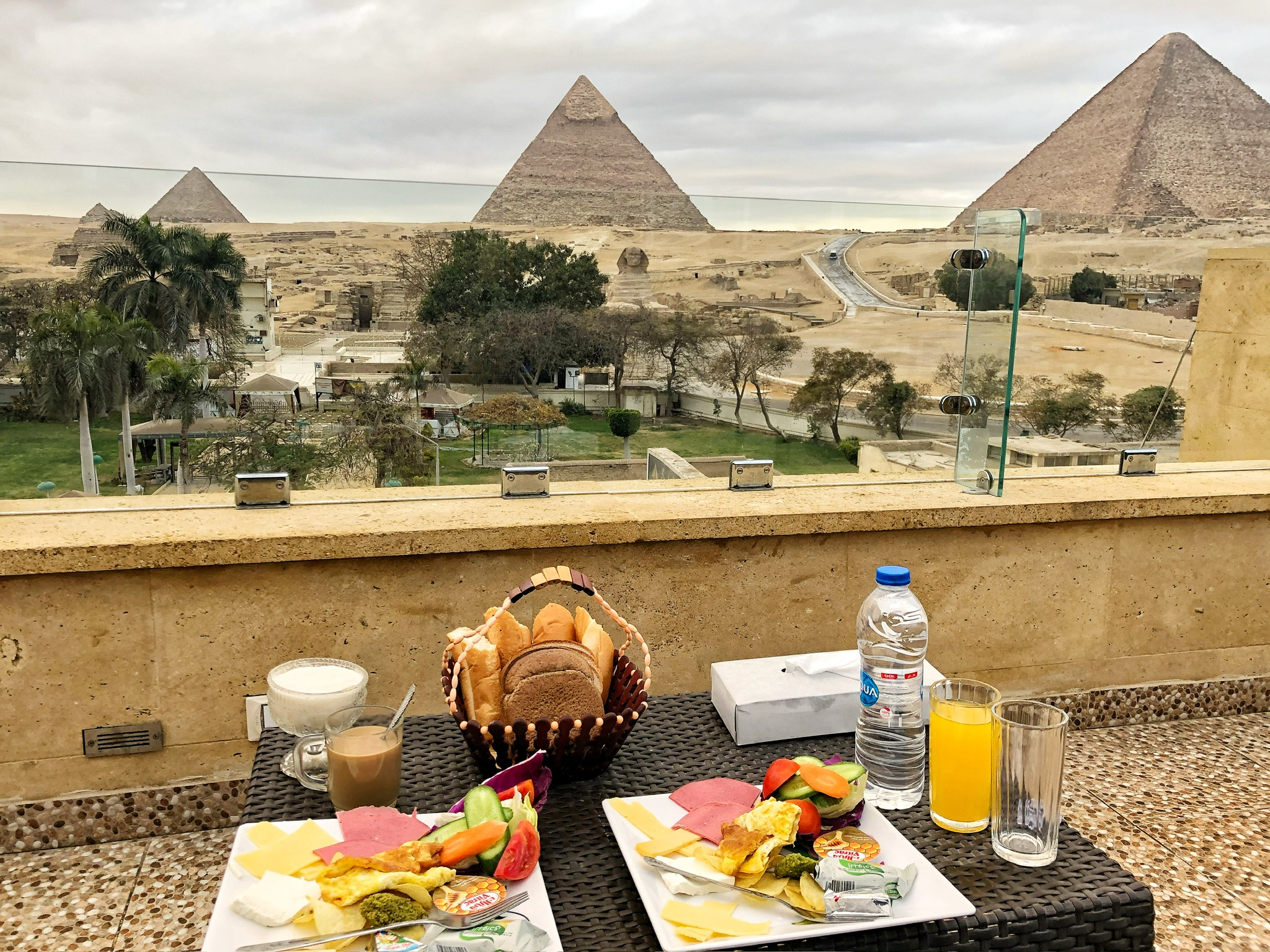
There is a cluster of budget friendly hotel options positioned with front row views of the Pyramids of Giza and rooftops, we stayed at the Giza Pyramids View Inn. For upgraded luxury with a swimming pool and gorgeous hotel grounds, consider the Marriott Mena House.
There is a nightly sound and light show at the pyramids. I would not go out of my way to see it, but since it was free to watch from our hotel rooftop in Giza, we were able to check it out. The show narrates the history of the pyramids with laser light image projections lighting up the pyramids and the Sphinx.
Day 1 Egypt Itinerary: Cairo – Exploring Ancient Treasures in the City
Cairo is the bustling capital city of Egypt. It is densely populated with wild traffic and vibrates with energy blending the ancient wonders with modern life. Here are some top things to do in Cairo.
Visit the Egyptian Museum
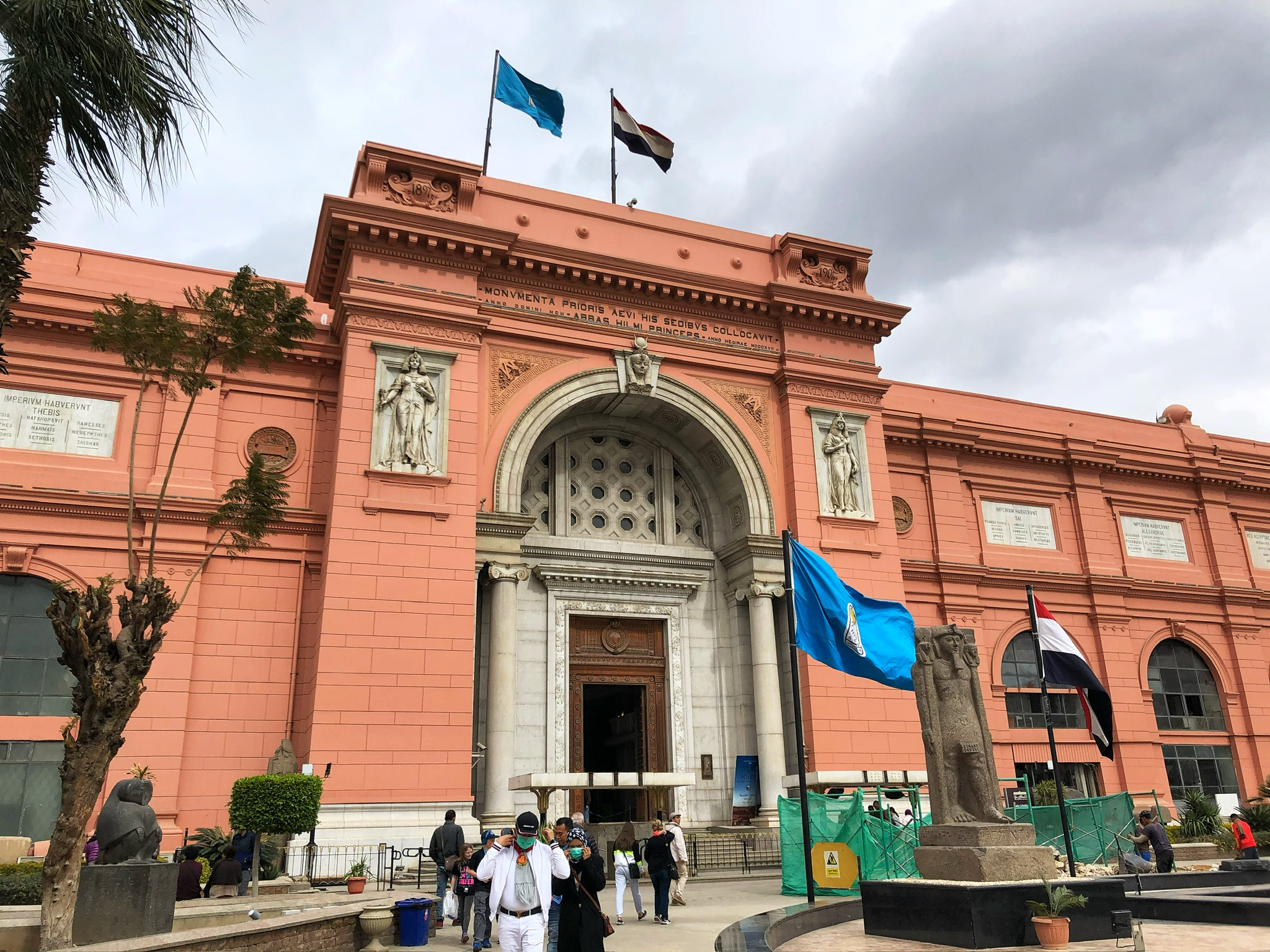
The Egyptian Museum is the best way to kick off the trip and prime yourself for learning about Egypt’s rich history. This place is packed with Egyptian antiquities, housing over 120,000 items!
The museum is home to an extensive collection of artifacts, mummies, wooden sarcophagi, and treasures from ancient Egyptian tombs, including the treasures of King Tutankhamun. It is easy to spend an entire day here exploring all of the different rooms and displays.
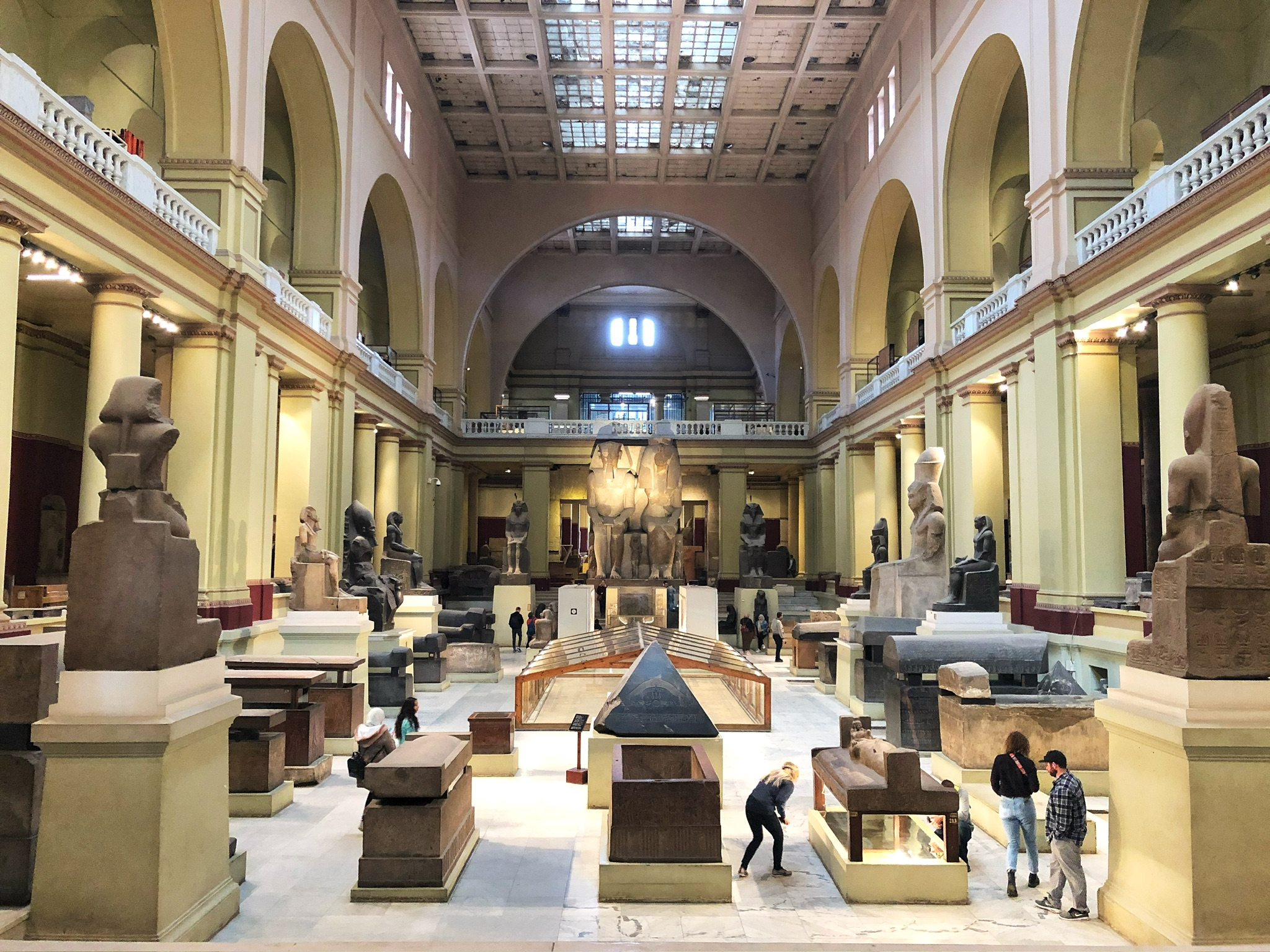
It’s also easy to get a little overwhelmed from the sheer amount of things to look at. We visited jet lagged and without a guide 🥴 We had a great experience, but sometimes felt a little lost without having the history or context of the exhibits. A guided tour would really help you to get the most out of your visit, but is not necessary.
The King Tut Room
My favorite room in the museum was the King Tutankhamun (Tutankhamen) room. King Tut was buried over 3,000 years ago and the artifacts from his tomb are in pristine condition on display in the museum.
Spoiler alert, everything is dripping in gold! Here you can see his golden throne and the iconic gold burial mask. The details are so incredibly intricate and beautifully show off the skills of the Egyptians. This is a must see while in Cairo!
Photography is not allowed within the King Tut room and it is strictly enforced by the guards. I took my phone out of my purse to look at something and I was quickly approached by a guard who thought I was going to take a picture.
The new “Grand Egyptian Museum” is still pending an official opening date, but the website tentatively says it will be opening in 2024. It will be the world’s largest archaeological museum.
In the meantime, you can still visit the original Egyptian Museum 7 days a week from 9am to 5pm. Tickets cost 300 EGP for foreigners = approximately $9.71 USD.
Explore the Khan El Khalili Bazaar
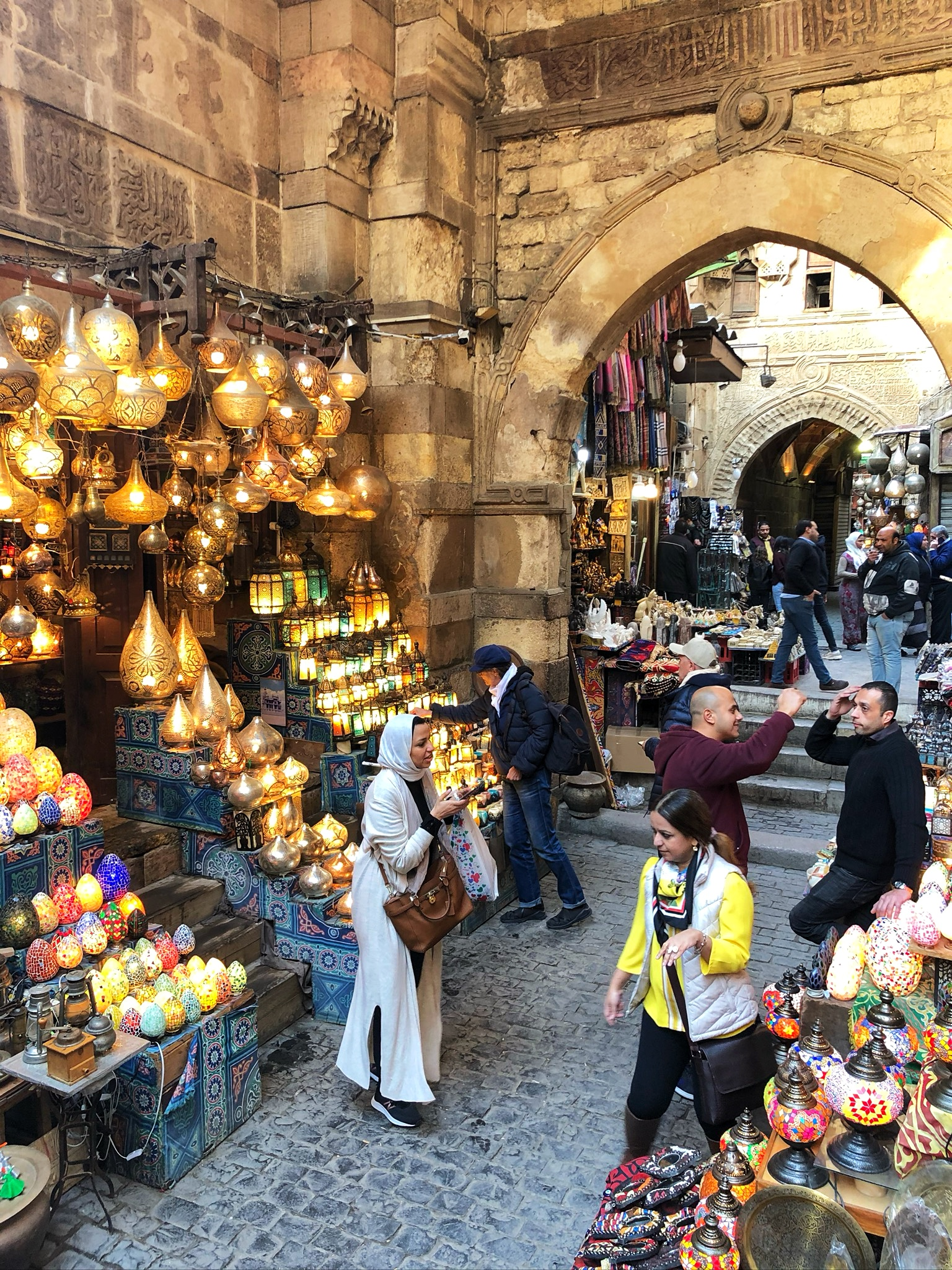
The historic Khan El Khalili Bazaar is located in the area known as Islamic Cairo and has been around since the 14th century! The historic mosques, century old buildings, and narrow alleys have been preserved over time which makes it an authentically charming place to visit.
The Khan El Khalili is a vibrant market with shops, food stalls, restaurants, and cafes. Haggling is part of the shopping experience, which means it’s a great opportunity for bargain shopping. You can find many unique items and shop for spices, jewelry, textiles, and traditional crafts.
El Fishawy Cafe
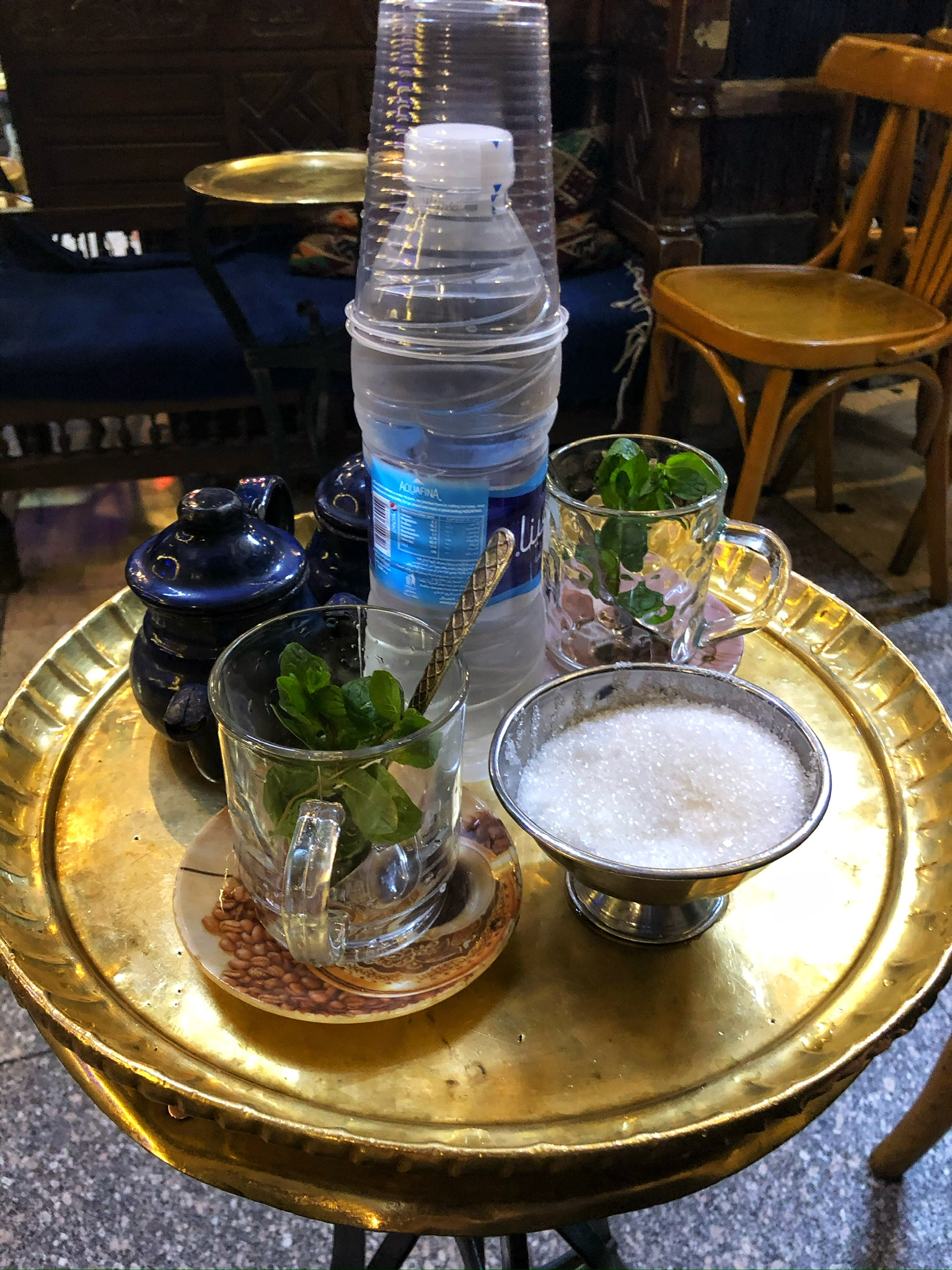
Tucked inside the Khan El Khalili bazaar is one of Cairo’s oldest cafes. The El Fishawy cafe is beautifully decorated with woodwork and hanging chandeliers, you can tell this place has been around for awhile.
If you are in the area, this is a good place to take a tea/coffee break in between shopping. It is also a shisha (hookah) lounge. However, the cafe experience is not quiet or relaxing. It is just as chaotic as the streets. There are lots of tables close together and vendors walk through the cafe approaching guests at their tables trying to sell trinkets or ask for money…which was a bit off-putting, but nonetheless normal for Cairo.
Food in Cairo
In Khan El Khalili you can explore Cairo’s street food scene. There’s an abundance of street food stalls where you can try all of the local cuisine such as koshary (koshari), falafel, shawarma wraps, and Egyptian sweets like basbousa and kunafa. Perfect for foodies and budget travelers alike.
When in Egypt, you must try the national dish, Koshary (koshari). It is a bowl of lentils, rice, tiny pasta, fried onions, garlic vinegar, chickpeas, and tomato sauce with a mixture of delicious spices. It’s served with spicy sauce and vinegar on the side in case you’d like to add more to your dish.
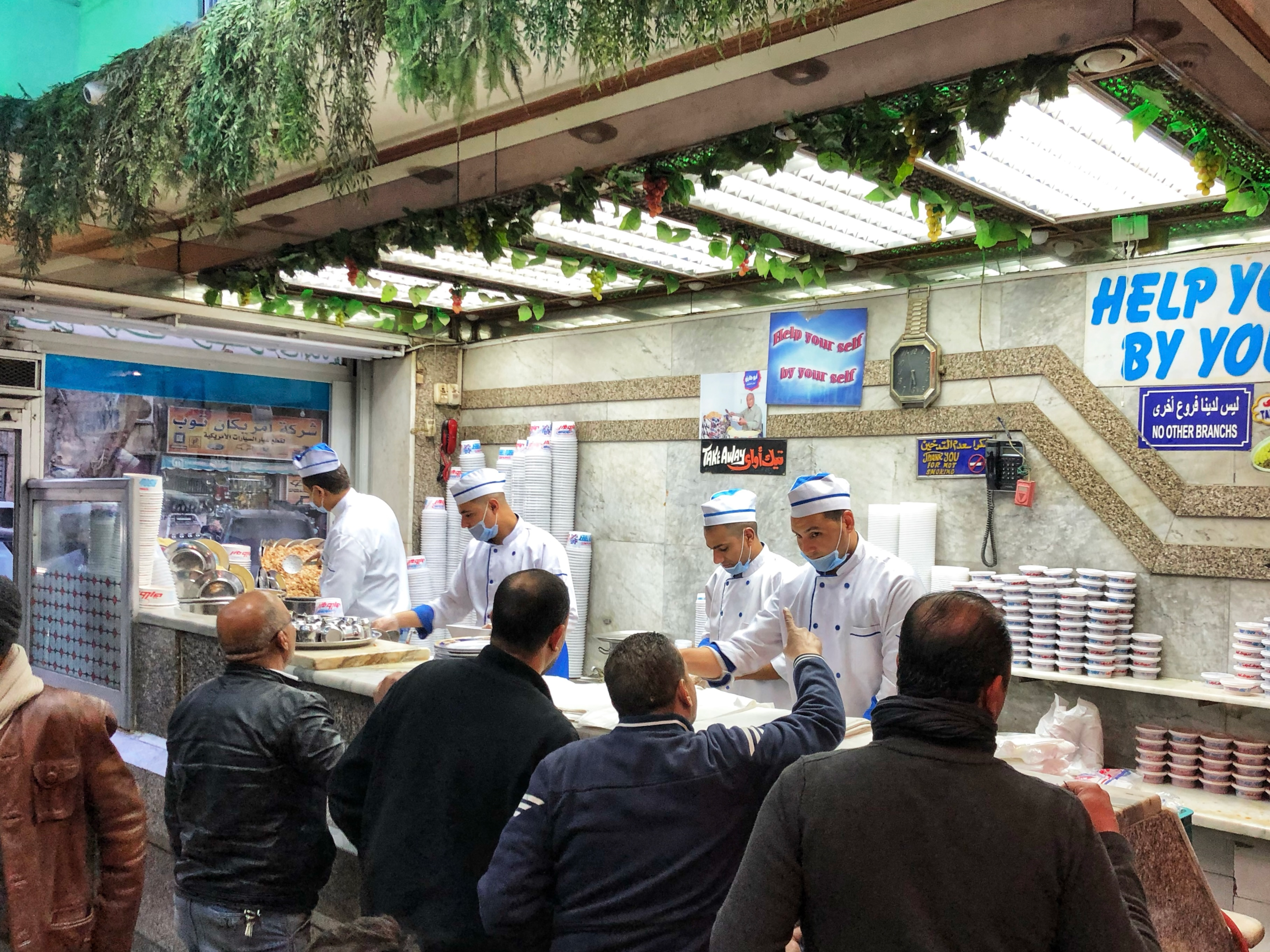
It’s served everywhere, but per Anthony Bourdain’s recommendation we tried it at Abou Tarek Restaurant and highly recommend you do the same while you’re in Egypt!
The whole restaurant is a vibe and service is extremely fast. Honestly, I don’t even remember looking at the menu. I’m pretty sure everyone is there strictly for the koshary. This place has over 33,000 Google reviews, it’s legit.
Day 2: Cairo – Exploring the Giza Plateau
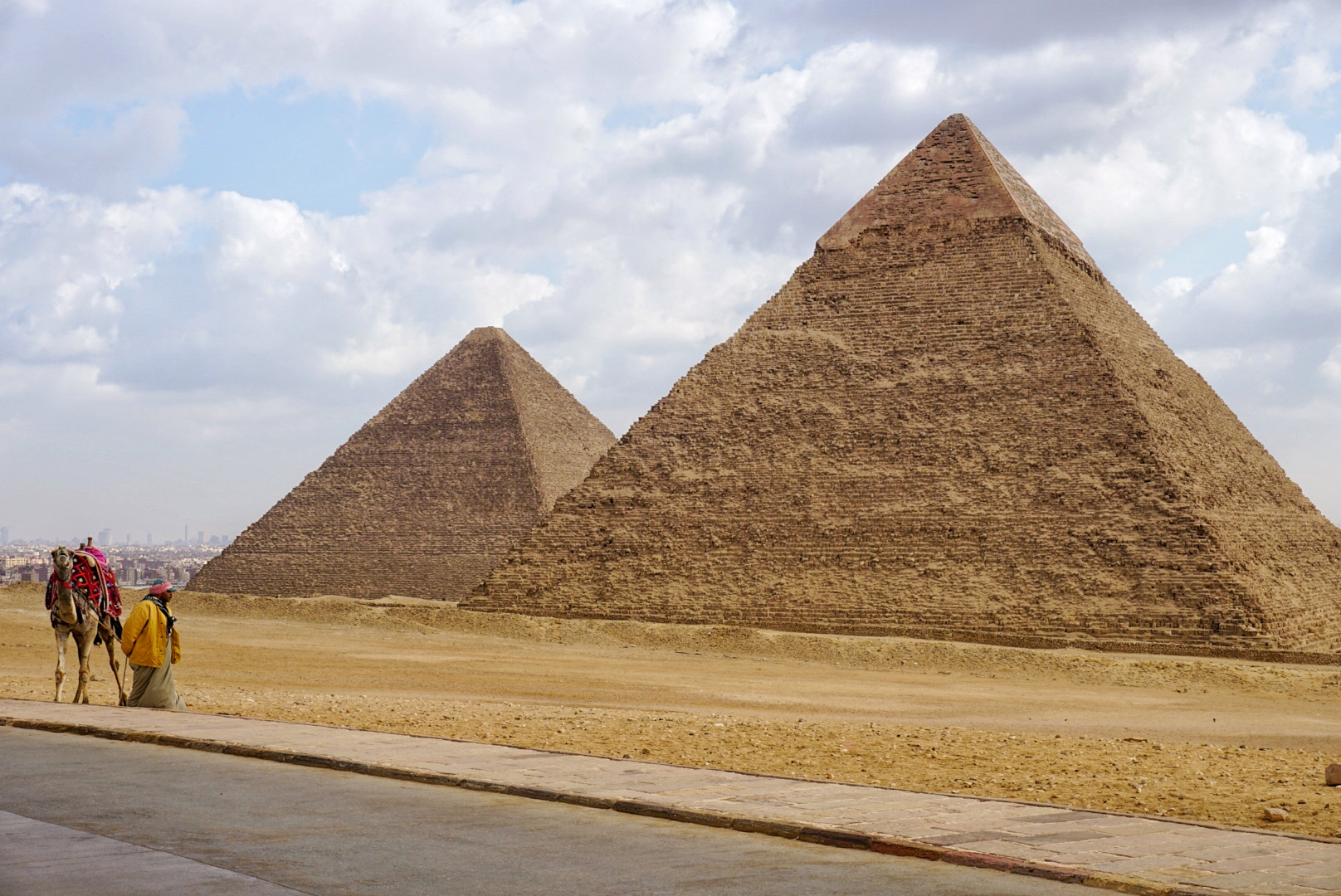
The Pyramids of Giza were built around 4,500 years ago. It’s incredible they are still standing. How did they do it? The ancient Egyptians were so advanced that we still can’t figure it all out. The history, the mysteries, and the cultural significance of this place draws people from all over the world to this energetic epicenter!
The “Giza Pyramids” consist of the entire complex including the Great Pyramid (Khufu), the Pyramid of Khafre, the Pyramid of Menkaure, and the Great Sphinx.
One fun fact is that the pyramids were originally encased in highly polished white limestone. The smooth exterior shimmered in the sun, can you imagine what a sight that would have been?!
Logistics for Visiting the Pyramids of Giza

The Giza Necropolis is open daily from 7am to 5pm. The entrance ticket for an adult costs 540 EGP. If you want to go inside the pyramids, there is an additional fee: 900 EGP for the Great Pyramid (Khufu) and 220 EGP for the Pyramid of Menkaure. Additionally, there are a few small tombs you can pay to go inside as well.
If you have a camera tripod you will have to pay a small fee. Worth it in my opinion!
There are two entrances; one near the Great Pyramid and one near the Great Sphinx. I loved the view entering in front of the Great Sphinx. You will immediately feel small as you begin to walk up to the site and see the Sphinx sitting in front of the Pyramid of Khafre.
There is a road that goes through the complex and up to the highest point, Panorama point. We walked the entire way, it was long and all uphill, but not difficult. You can pay for a horse drawn carriage or camel ride, but we opted to walk.
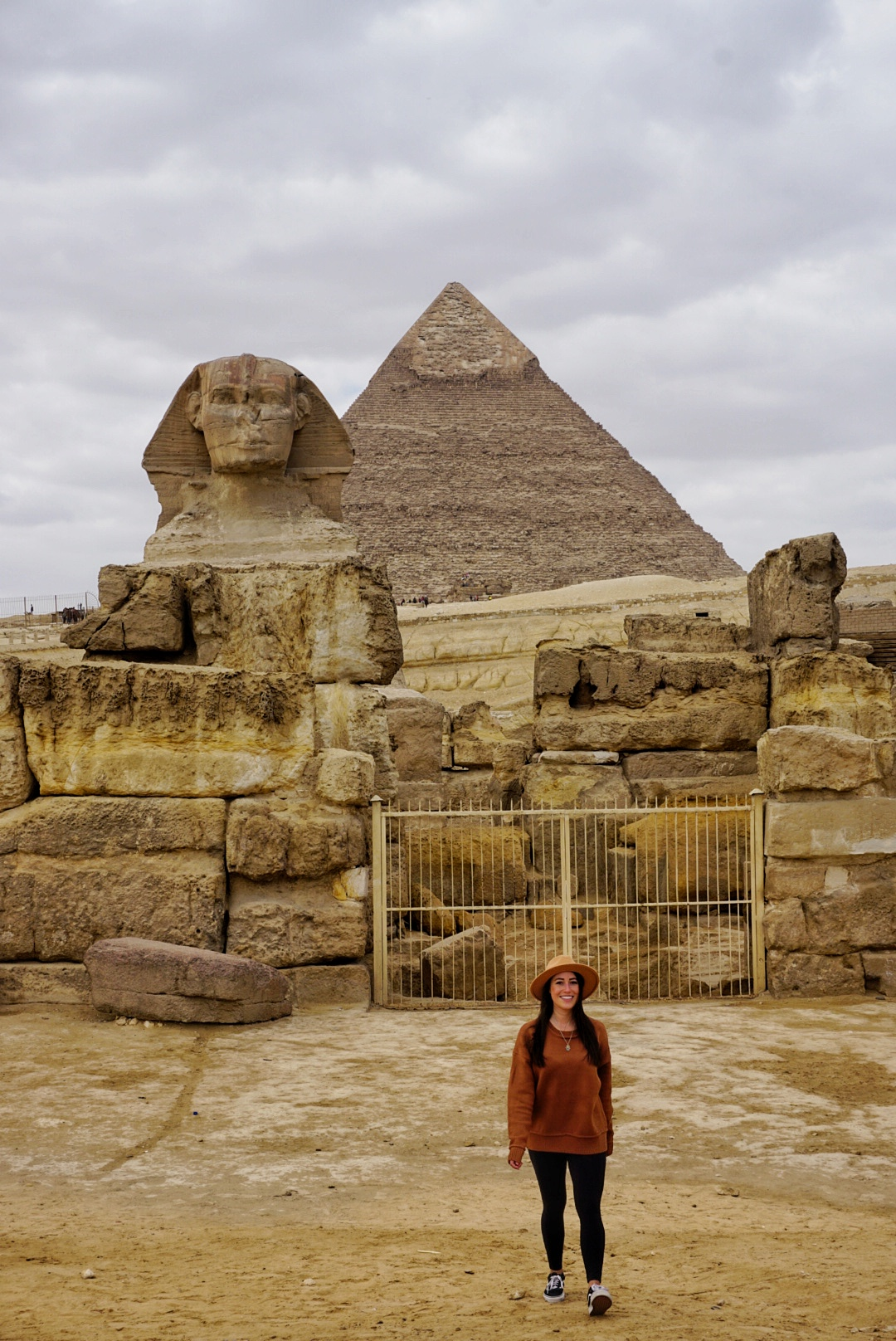
It was actually quite easy to visit the pyramids, there’s not much to do besides walk around and admire them from all angles. Tours are optional, but a good way to learn about the history.
The Giza Plateau is quite large, but entirely walkable. The fun part of exploring the complex is finding different viewpoints. My favorite photo spots are in front of the Sphinx, Panorama point, and along the road that goes between the pyramids up to Panorama point.
To Camel Ride or Not?
There’s no right or wrong decision here. Do what feels right based on what you see. Have a close look at the camels and see if they appear well cared for or not. Is the handler pushy?
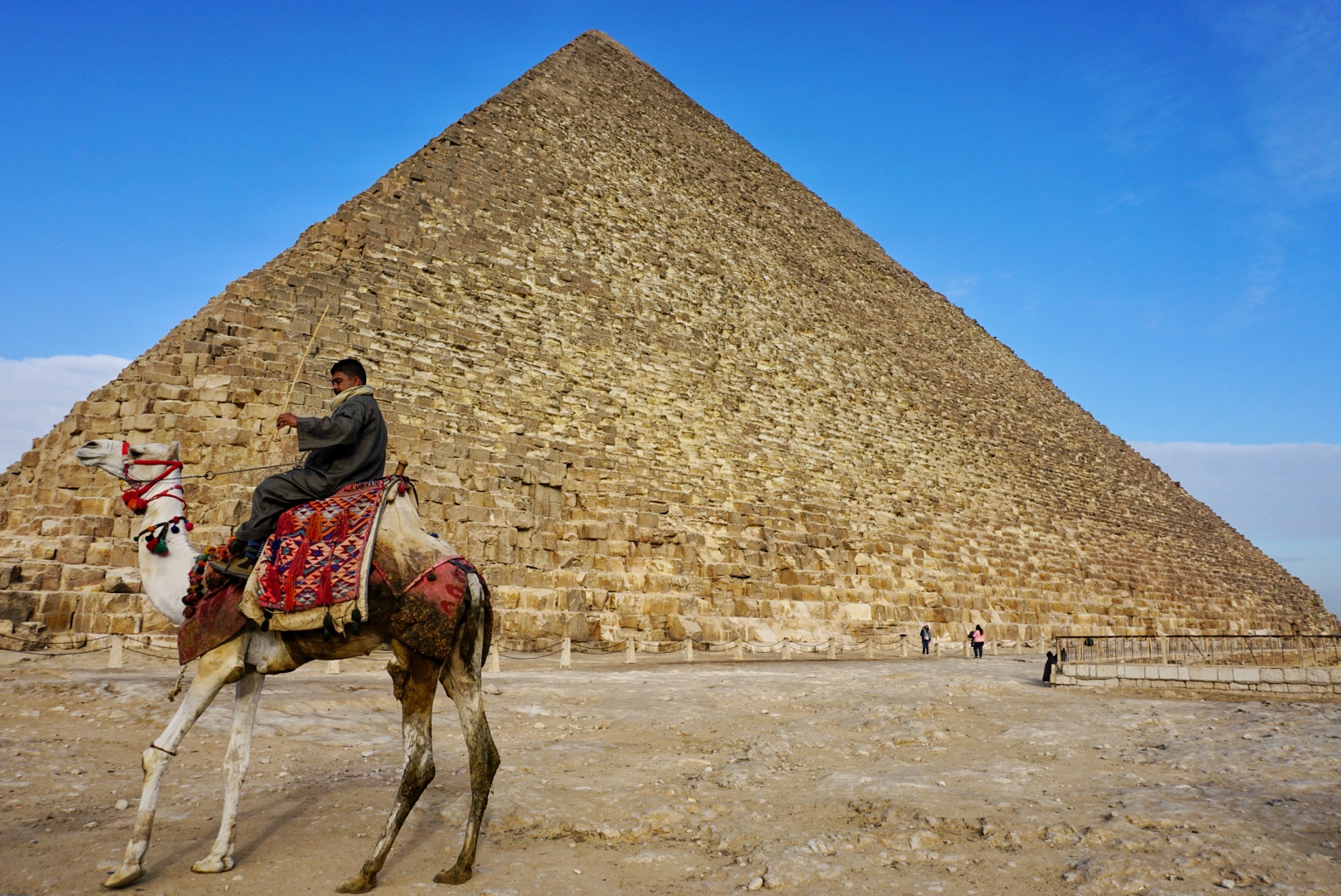
You can refuse to do business with someone whose animals don’t look well cared for. Find another person offering service with healthy looking camels. Where you spend your money as a tourist matters and may help improve the standard of care going forward.
If you decide to go for a camel ride, make sure to firmly agree on the service and price before getting on the camel. They will try to hustle you for extra everything if not.
I’ve been told that there is a sign near the entrance with established camel ride prices, but I didn’t personally see it…keep an eye out for it! Also, if the handler is taking your picture while you are riding the camel, be prepared to tip.
Pizza Hut
Did you know there’s a Pizza Hut right beside the pyramids? Normally I’m not one to hit up American chain restaurants in other countries, but after walking around all day I was extra hungry and pizza really sounded good 😂
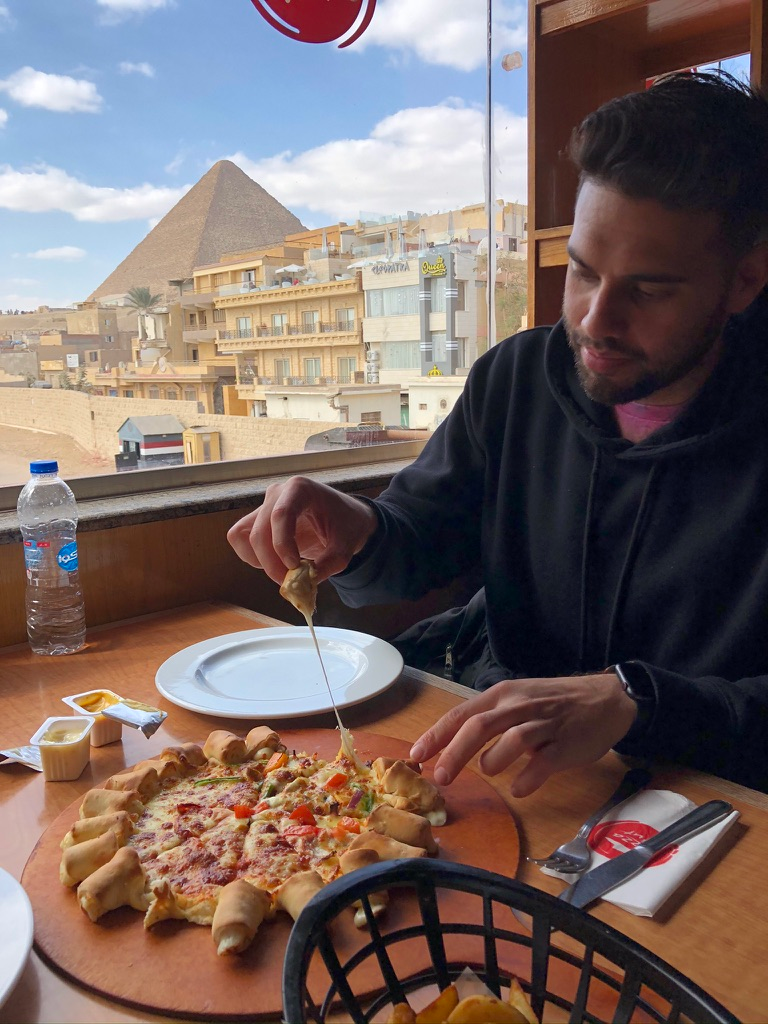
So without a second thought, we strolled into the Pizza Hut across from the Giza Pyramids ticket office (Great Sphinx side). Who knew pizza and pyramids went so well together?!
Take the Night Train from Cairo to Aswan
The night train is an easy way to maximize time on your trip so you can wake up in a new city and be ready to explore…and I’m all about maximizing time. Plus you will save money because you will be sleeping on the train for a much cheaper cost compared to a flight + hotel.
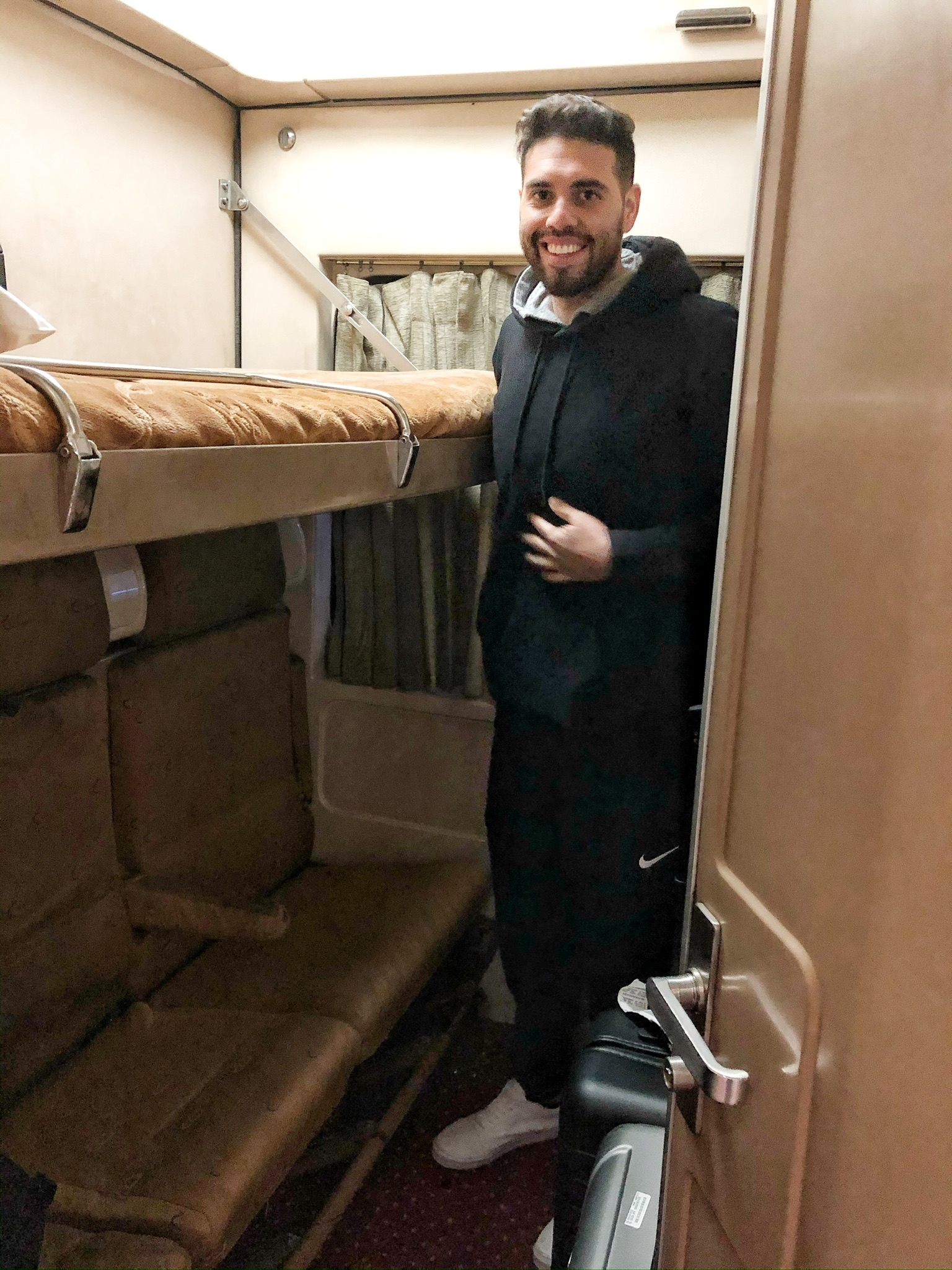
The train is branded “deluxe,” but in my opinion it is a no frills way of transportation. The sleeper cabin is comfortable, albeit outdated and a little dusty. Each cabin is equipped with bunk beds, a sink, an outlet, and an overhead bin for luggage. The toilets are located outside of your individual cabin, each carriage has 2 toilets.
At the start of the trip the bottom bunk is set up with two seats with a tray table in between. You can expect a light dinner & breakfast, however make sure to bring bottled water, hand sanitizer, and possibly even a small towel if you want to wash your face or dry your hands.
The food was very basic, so I recommend bringing extra snacks if you need more than a light meal. After dinner, the crew goes from cabin to cabin for “turn down service” which means the seats will be converted into a bottom bunk bed.
The ride was quite bumpy with a constant sway of the cabin. At best I managed to doze off a few times into brief sleep but I didn’t get the rest I needed to wake up feeling energized for the next day.
There is a small window in the cabin and I enjoyed looking at the surroundings the next morning. We passed a lot of farms along the Nile Valley, it was a nice glimpse into the local way of life.
How to Book the Night Train
The sleeper train is operated by Abela Trains, formally known as Watania. I had difficulty using the website on my laptop, but the mobile site worked just fine for booking.
Depending on where you are staying, you can either depart from Cairo or El Giza. We booked Train 86 which departs from El Giza Station at 8:15pm arriving in Aswan the next morning at 9:25am. The ride was a little over 13 hours and cost $90 USD per person. There are lots of stops along the way which can cause some variance in the time schedule.
We received our tickets through an email PDF. The tickets have a QR code, but we printed them just in case. You should plan to arrive at the train platform approximately 30 minutes before departure, although the trains are known to occasionally be late.
Overall, the experience was easy but by no means luxury travel. A comparable flight from Cairo to Aswan is on average the same price and takes 1.5 hours. Depending on your preferences you have options.
Day 3: Aswan – Nubian Charm and Philae Temple
Try to coordinate your travel plans so you can arrive early in Aswan to maximize your time. The sleeper train or a flight are the best options from Cairo. If you are coming from Luxor, it’s approximately 3.5 hours by car.
If you are arriving at the train station as I did, you can easily catch a taxi to your accommodation. There were many drivers waiting outside of the train station when I was there. Alternatively, you can pre-book a car through your hotel as well.
Tip: Always carry cash while traveling in Egypt! We were unable to pay for our taxi ride with a credit card and therefore had to ask our driver to stop at a nearby ATM because we were out of cash. Also, it’s important to have your accommodation and address in writing in case there’s a language barrier.
Philae Temple Complex
The Temple of Philae is dedicated to the Goddess Isis. The temple is surrounded by water on Agilkia Island. The scenery alone is worth the visit! The temple is only accessible by boat, which gives a beautiful perspective as you approach.
The construction of the Aswan Dam in the 1960s caused the Nile River water to rise and partially submerge the temple. In an effort to protect and preserve the temple complex, it was deconstructed piece by piece and reassembled on an island within the Aswan Dam reservoir. You can still see the water line on the stones.
How to Get to the Temple of Philae
To get to the Philae Temple Complex hire a taxi from Aswan to the Philae marina. On Google Maps it is labeled as “Marina Philae Temple.” You will purchase your entrance ticket and negotiate a boat ride at the marina. The current entrance fee for the Temple of Philae = 450 EGP.
Alternatively, you could book a tour or share the cost of the boat ride with other travelers. If you are traveling solo, the boat will likely cost more money and you may have to bargain harder.
The boat ride to Agilkia Island takes approximately 15 minutes. The driver will wait for you while you visit the temple and return you to the marina afterwards. Make sure to bring cash to pay for the taxi and boat ride.
Nubian Village
The Nubians are an ethnic group indigenous to southern Egypt and Northern Sudan. Known as one of the oldest civilizations of ancient Africa, they lived as neighbors with native Egyptians. You can learn about their culture and civilization in the Nubian Museum, located on the East Bank of the Nile River in Aswan.
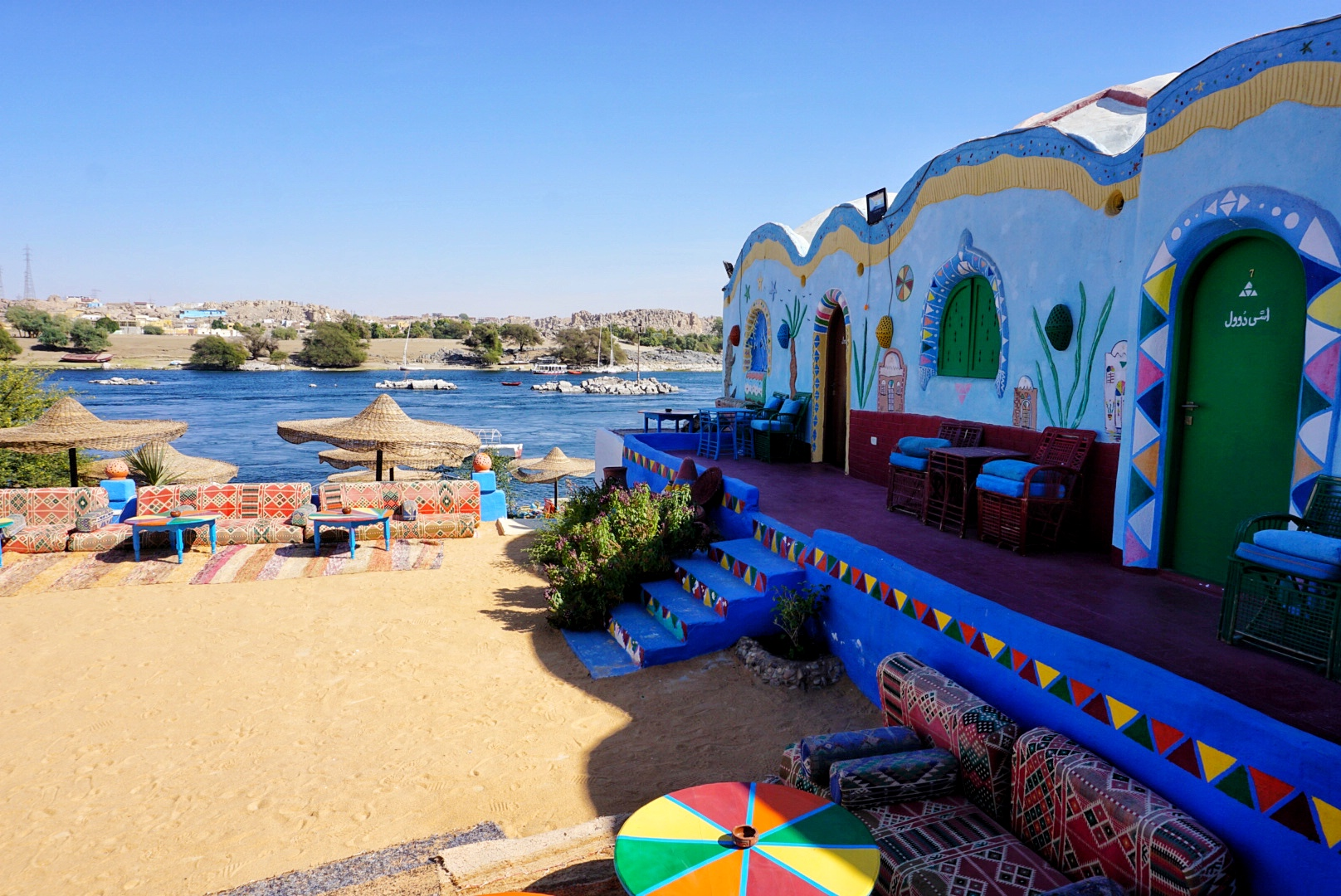
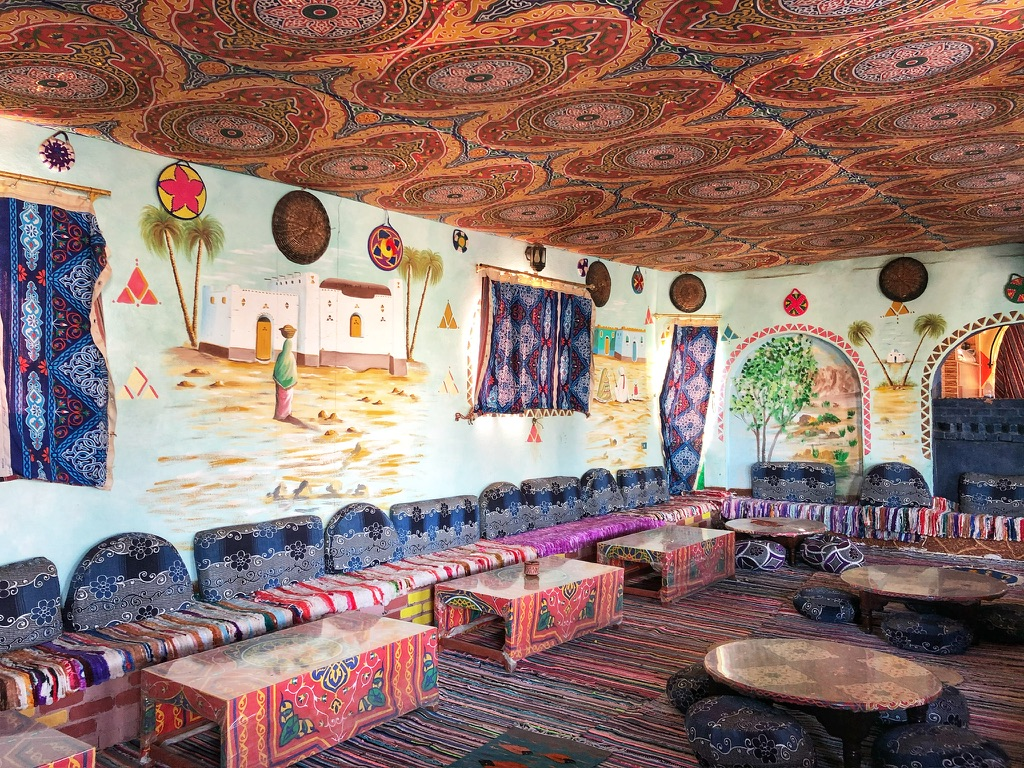
The present day Nubian Village sits on the West Bank of the Nile River and is known for its friendly people and colorful culture. The village is extremely photogenic with vibrant colorful houses and paintings. It was a welcome break from the chaos of Cairo.
There are several different ways to visit the Nubian Village. A stop on a Nile River cruise, a day trip from Aswan, an organized tour through the village, or the best way in my opinion is to book a hotel and stay the night. I think it was much more enjoyable to stay more than a few hours and soak up the surroundings and relax with beautiful views of the Nile River.
How to Get to the Nubian Village
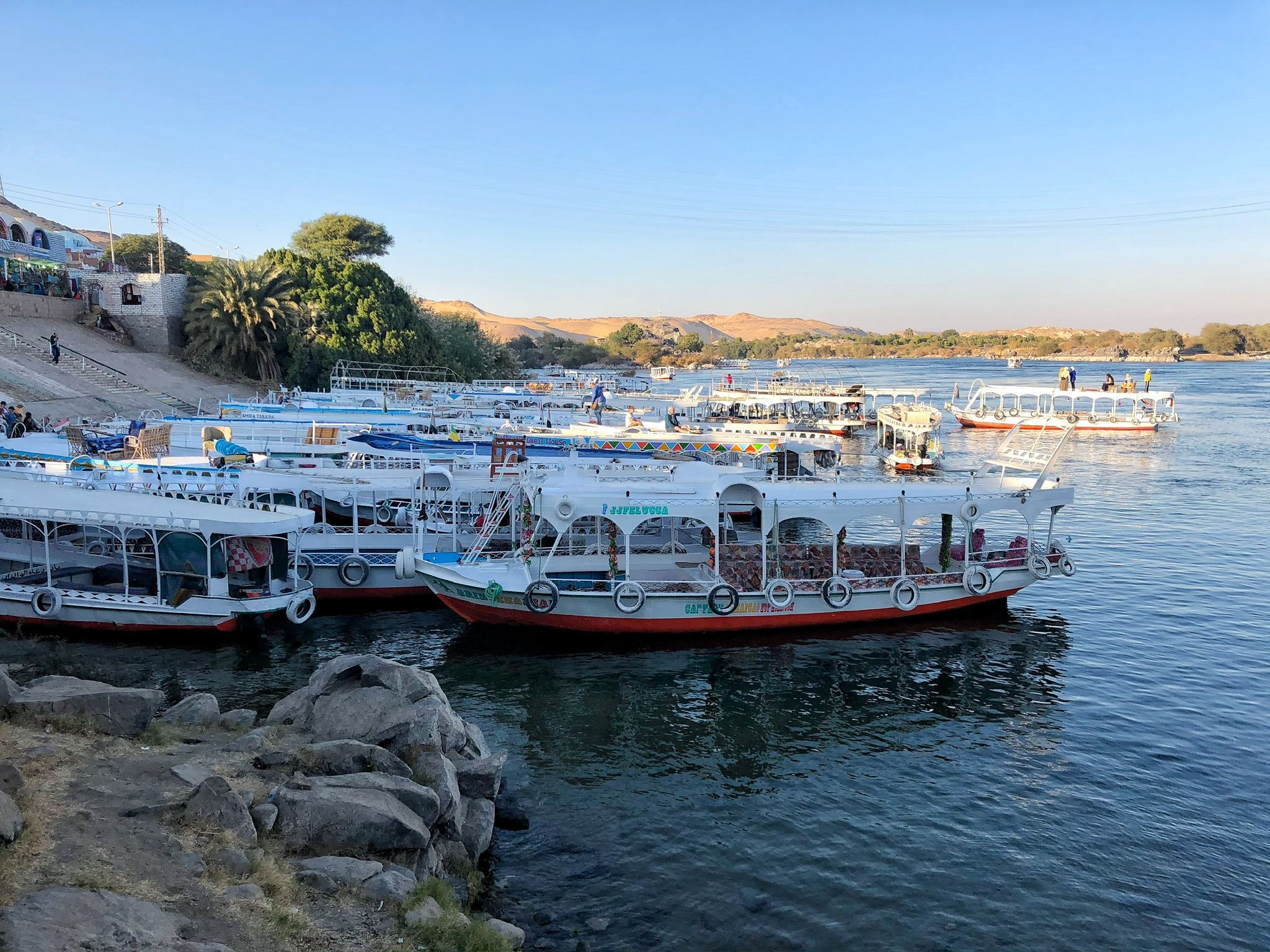
If you arrive in Aswan via train like I did, you can take a taxi from the train station. It’s about a one hour drive to the Nubian Village by car. The other option is a scenic 35 minute motorboat ride from the East Bank of Aswan. You can find boats to hire all along the main road in Aswan.
What to Do in the Nubian Village
While in the colorful village you can explore on foot, go to a cafe, shop, and enjoy the views of the Nile River.

I enjoyed shopping in the Nubian village more than the markets in Cairo mainly because the vendors were not as aggressive. Don’t get me wrong, they definitely wanted to make a sale, but they also enjoyed talking about their village and culture.
Where to Stay in the Nubian Village
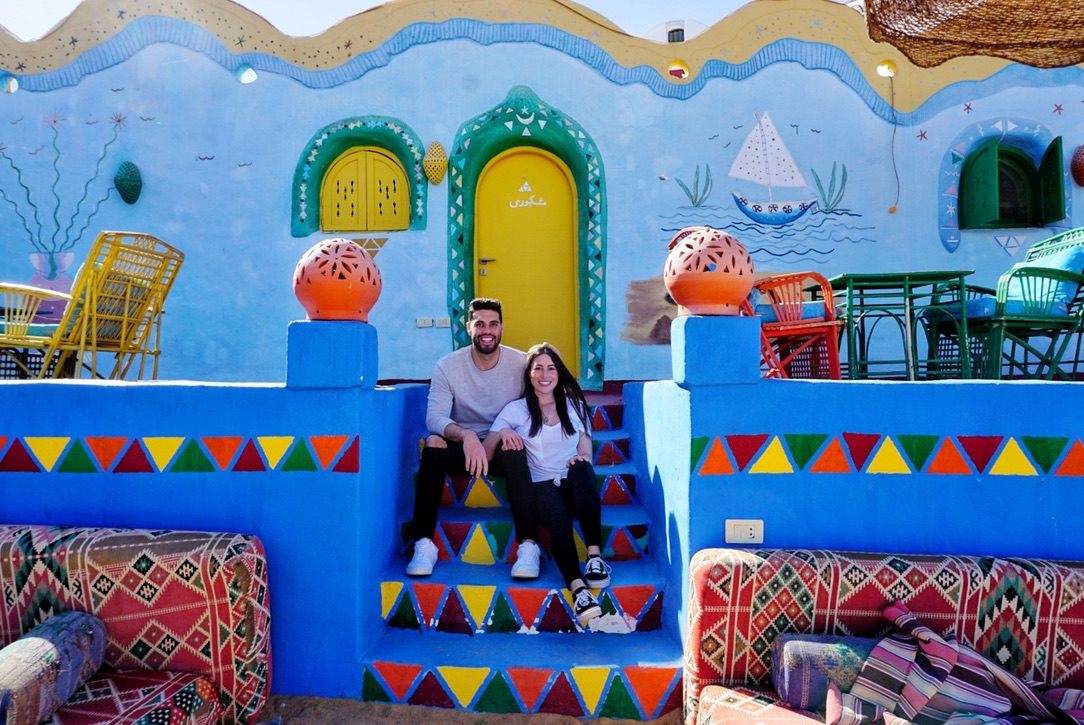
We stayed at Kato Waidi Nubian House, located in the center of the village and perfectly positioned beside the Nile River. The property is charming with its bright colors, outdoor dining, and you cannot beat the views for sunset.
Day 4: Abu Simbel – Temples in the Heart of Nubia
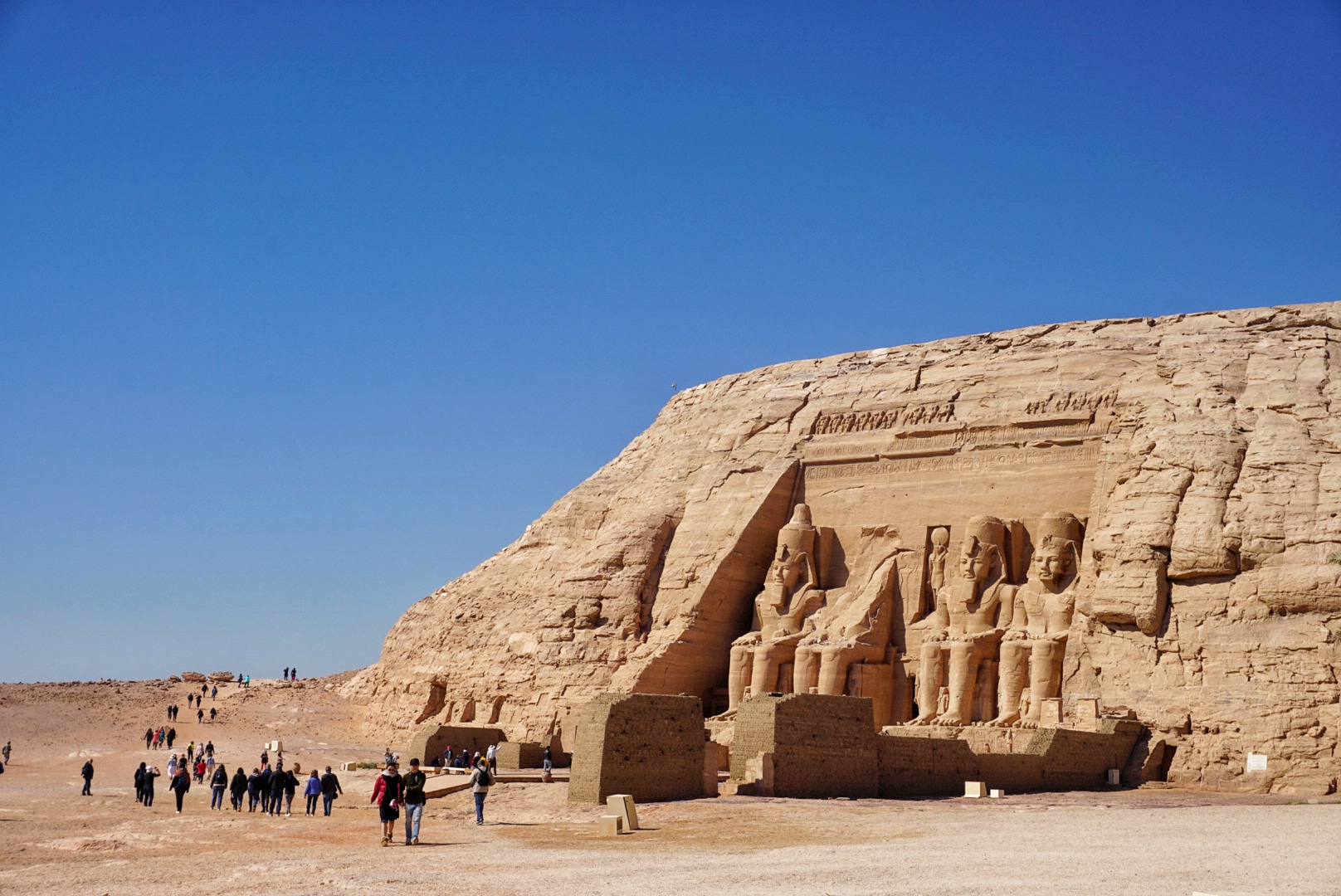
Abu Simbel consists of two impressive temples that are cut into a mountain of rock. Located on the shores of Lake Nasser, it is one of the best archaeological sites in Egypt.
The temples are dedicated to King Ramses (Ramessess) II and his favorite wife, Queen Nefertari. Both temples have dramatic facades and are covered from floor to ceiling with hieroglyphs.
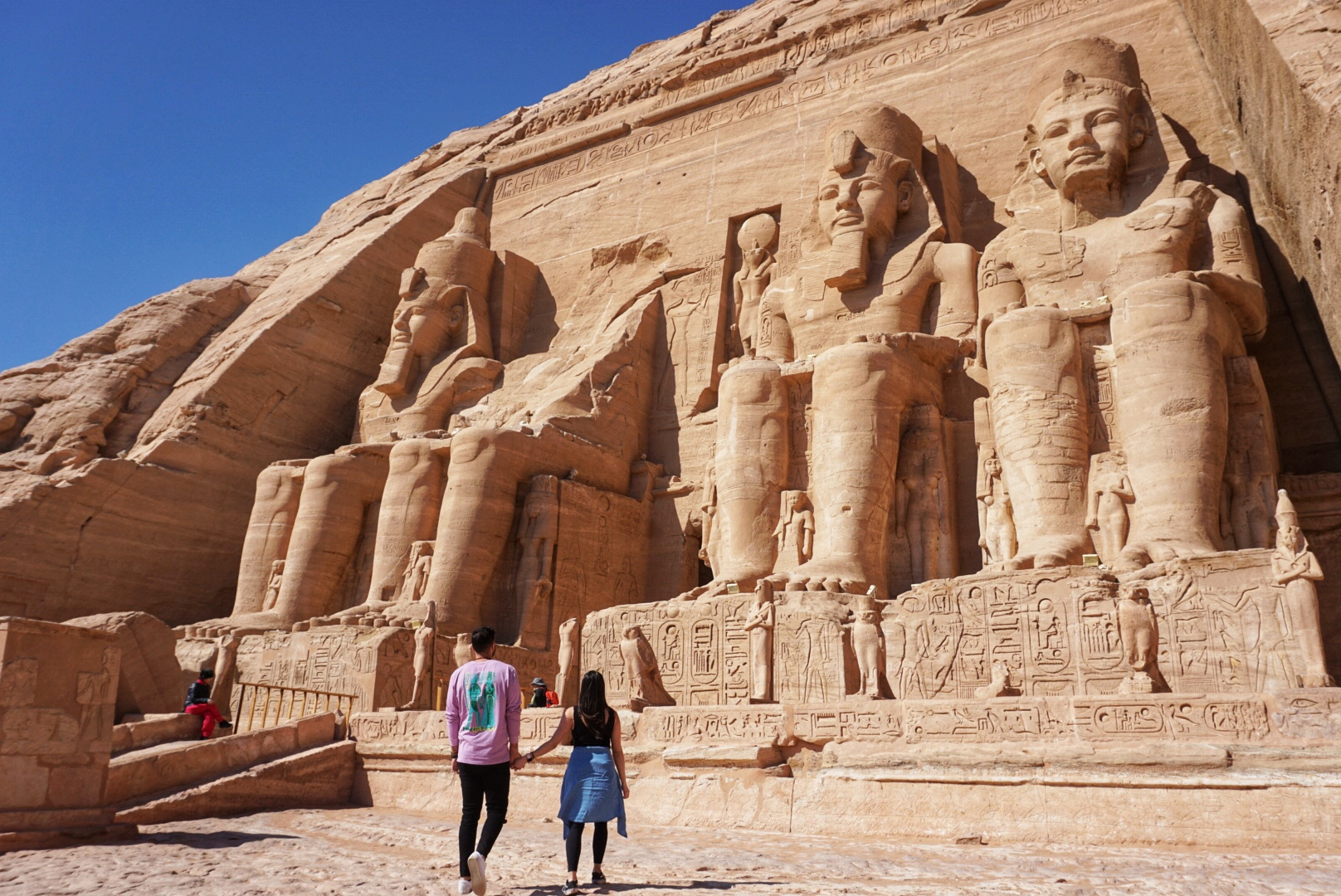
The massive exterior statues embody the grandeur of ancient Egypt. I felt warped standing next to the four statues of King Ramses II proudly sitting on his throne, each statue is over 60 feet tall!
In the 1960s the temples were dismantled, carefully moved, and re-built over 200 feet away on higher ground to prevent them from flooding due to the creation of the Aswan dam. Isn’t that incredible?
How to Get to Abu Simbel
We hired a driver through our hotel in the Nubian Village for a private excursion to Abu Simbel Temples. From Aswan it takes approximately 3-4 hours to get to the remote location of Abu Simbel. If you are traveling in a private car, it is closer to 3 hours versus a tour bus which takes a little longer.
The road is desolate with nothing but sand surrounding it. You can nap or read a book during the road trip and not have to fear about missing out on views. It will take a full day to visit Abu Simbel, plan for at least 8 hours depending on how long you stay at the temples.
Tips for Visiting Abu Simbel
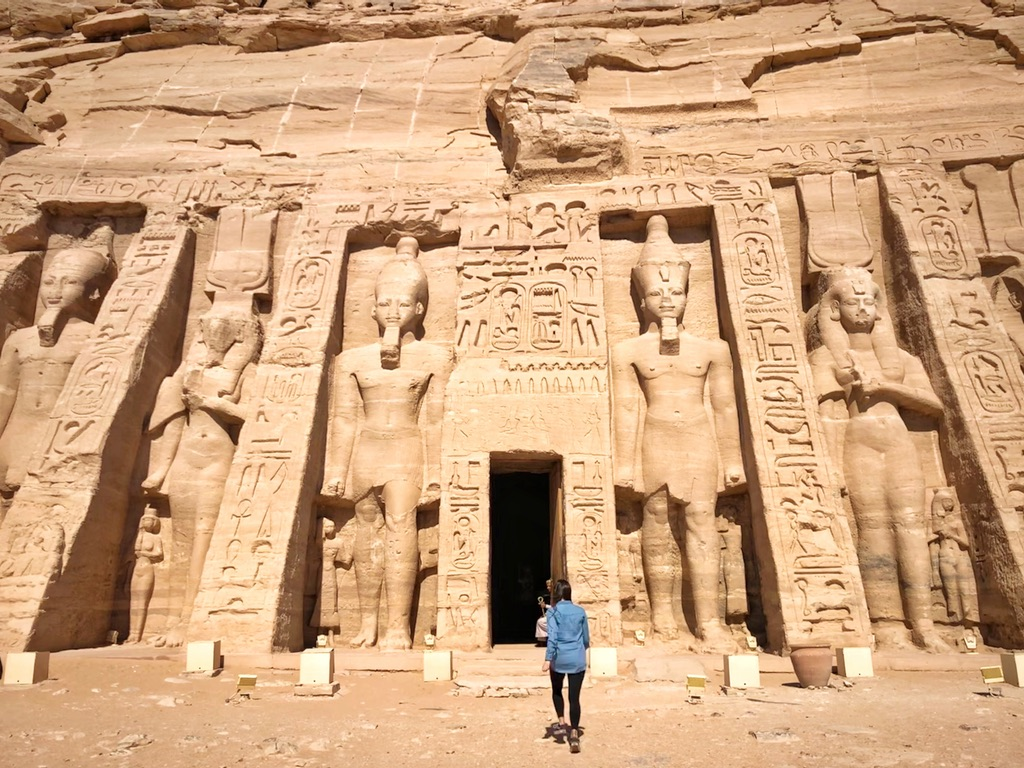
The entrance fee to Abu Simbel is 240 EGP. If you plan to take pictures inside the temples with an actual camera, you will have to pay for a photo pass. Otherwise, it is free outside the temples and free to take pictures with your cell phone.
The temples get very crowded with the majority of tour groups visiting mid morning. We arrived right in the midst of the chaos and had to wait it out to really enjoy the visit. The crowds seemed to thin out around 10am, so keep that in mind if you are planning to travel by a private car.
Plan to bring water and snacks for the long travel day. There are not too many food options at the site, mostly overpriced packaged snacks. I recommend arranging a breakfast box from your hotel or if you are traveling with a private driver, ask to stop along the way for food. It will be cheaper and better than eating at the site.
Day 5: Luxor – Journey to the Ancient City of Thebes
Next, we begin the journey north to the incredible city of Luxor. Luxor is known as the largest open air museum in the world because of the vast amount of archaeological sites. Luxor is a treasure trove of temples and tombs. There is so much to see and do here!
In ancient Egypt times, the East Bank of the Nile River was “for the living” and therefore where the city center of Luxor was established. The West Bank was “for the dead” and where the pharaohs and nobles were buried. That is not how the city is today, but it is helpful to remember when thinking about booking your hotel and visiting the sites.
How to Get to Luxor
We booked a private car transfer from our accommodation in Aswan to drive us to Luxor; the drive takes approximately 3.5 hours. There is train service from Aswan to Luxor, but trains are known to run late so I recommend traveling by car. This allows you to set your own schedule. I recommend departing Aswan as early as possible to maximize your time in Luxor.
There is an airport in Luxor if you prefer to travel by plane. However, the Aswan to Luxor route connects in Cairo which makes the flight time longer than the drive.
Where to Stay in Luxor
Since it was the end of our trip, we wanted to book a hotel that truly felt like a vacation and had the space to relax after a jam-packed week of sightseeing and travel all across the country.
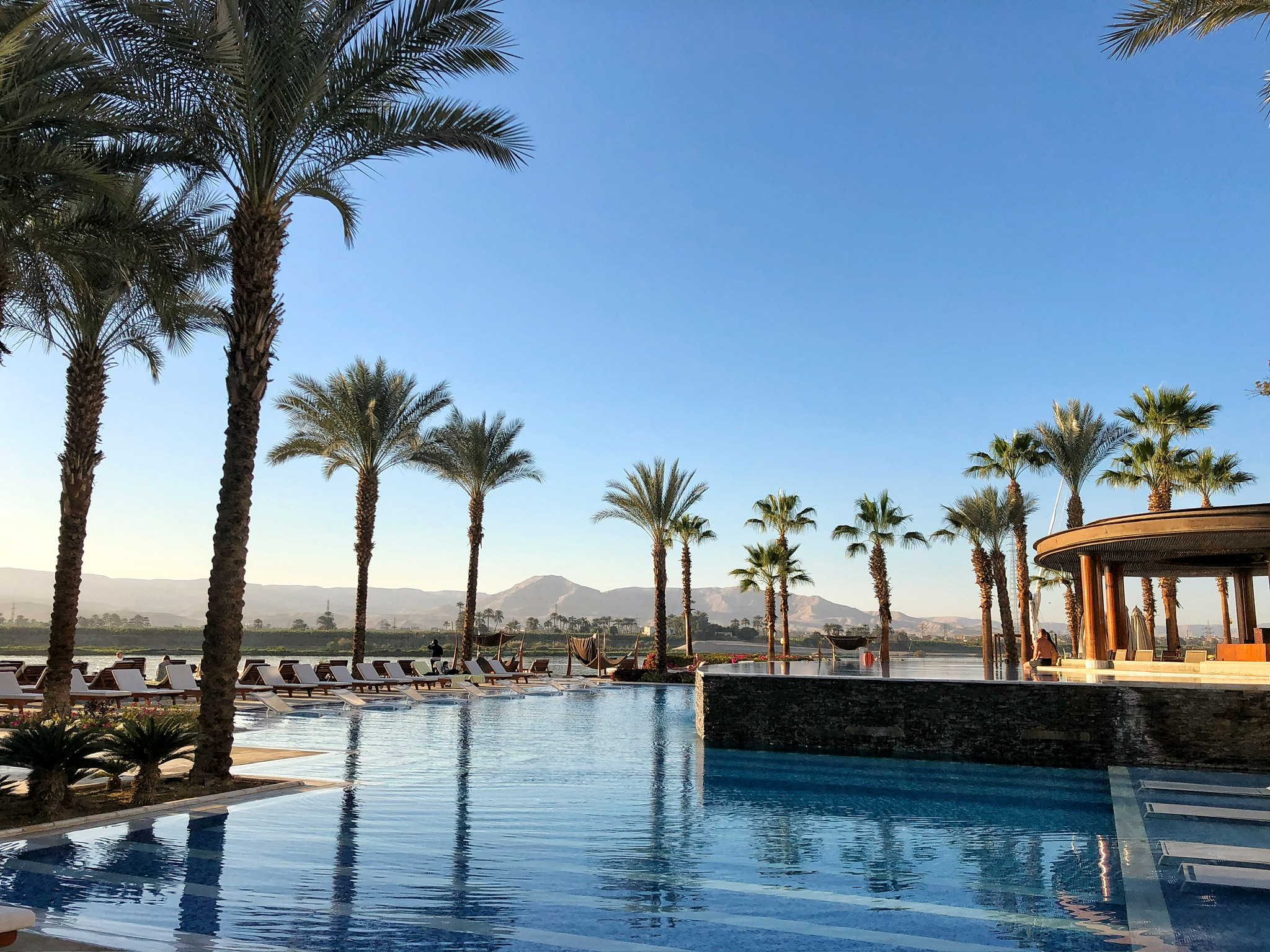
We stayed on the East Bank at the Hilton Luxor Resort & Spa. The outdoor space was exactly what I was looking for with an incredible pool, places to lounge, and outdoor dining overlooking the Nile River.
Also, I always try to book hotels with breakfast included, and the Hilton had an incredible breakfast buffet spread. I am confident that I ate more than my money’s worth.
Although it was still too cold out for the pool, I loved being able to relax outdoors and the pool would be incredible in warmer weather after a busy morning of exploring. We loved our time here and were able to easily arrange transportation to all the sites and the airport.
The Luxor Pass
The Luxor Pass is a single ticket valid for 5 days that will give you access to all of the sites on the West Bank and East Bank of Luxor.
There are two options for the pass, standard and premium. The standard pass provides entrance to all of the archaeological sites and the premium provides the same + access to the tombs of Nefertari and Seti I. Of note, as of early March 2024 Nefertari’s tomb is closed, which may impact your decision to purchase the pass or not.
The Luxor Pass is sold in either USD or euros. The standard pass = $130 USD or 120 euros. The premium pass = $250 USD or 220 euros.
You can purchase the pass at the ticket offices of either Karnak or Valley of the Kings. You will need a passport-sized photo to be placed on the permit, two copies of the main photo page of your passport, and cash.
Consider how long you plan to visit Luxor and how many sites you want to go to when deciding if you should buy the pass or not. If you plan to use it for the full 5 days, I’d say it is definitely worth it.
If you are on the fence, add up the prices of the individual sites you plan to visit and consider the current exchange rate. You will pay for the individual sites in EGP, which could potentially work out to be less than the lump sum price of the pass in USD.
Karnak Temple


Karnak is the largest temple complex and most important place of worship in all of Egypt. You must visit to fully comprehend the size and complexity of this archaeological wonder.
The ancient Egyptians were masters of architecture and did not do anything on a small scale. Everything in Karnak Temple was carved from floor to ceiling with hieroglyphs and colorfully painted. You can still see remnants of the original colorful paint throughout the temple. Can you imagine what it looked like in its prime?!
I recommend spending at least 2 hours here and up to a half day if you have the time. The entrance ticket to Karnak Temple = 450 EGP.
Points of Interest in Karnak Temple
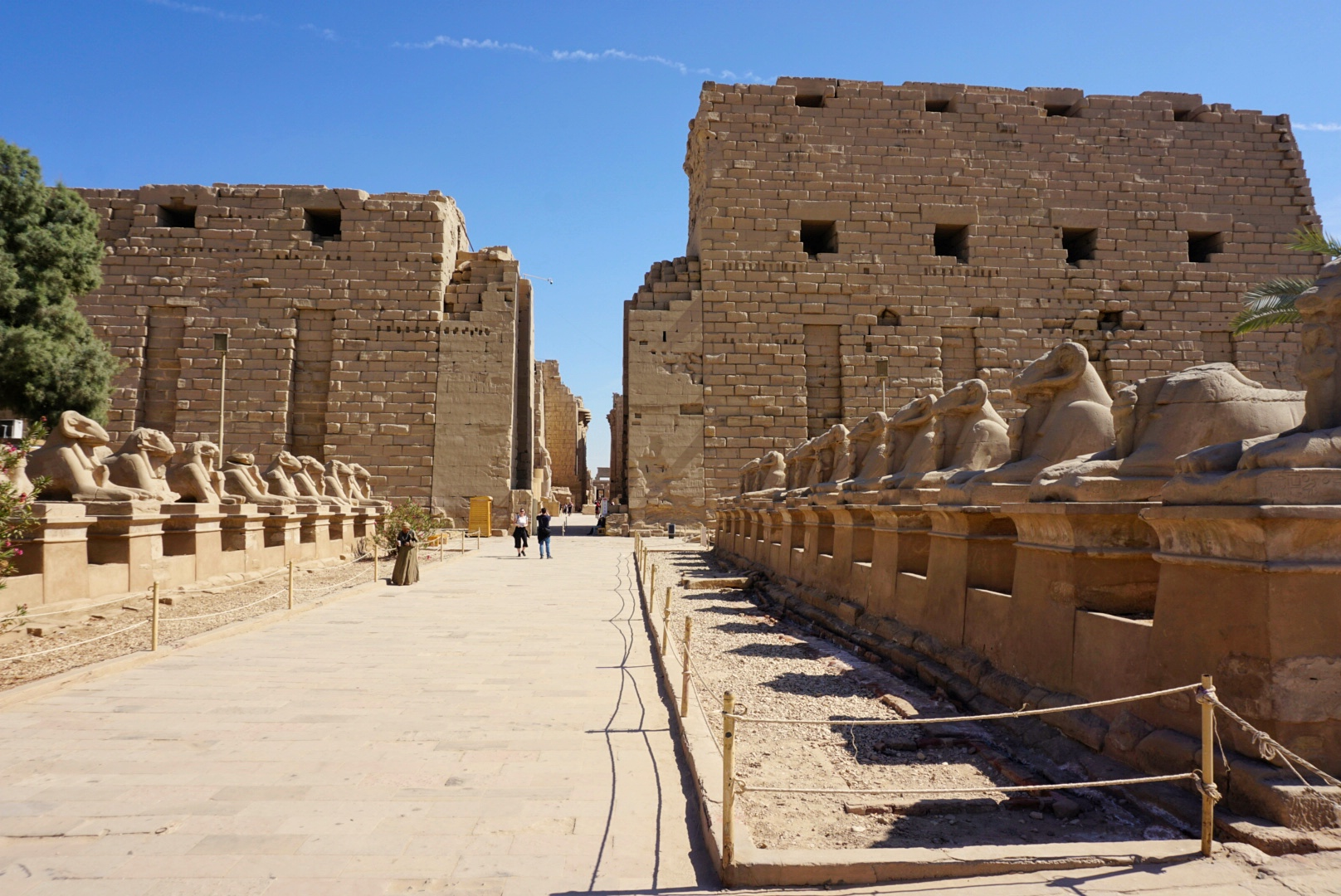
The Avenue of Sphinxes: Take a stroll along the Avenue of Sphinxes, an approximate 1.5 mile pathway connecting Luxor Temple to Karnak Temple. There are over 1,000 sphinxes and rams that line the route.
You will need tickets to Karnak and Luxor Temples if you plan to walk the entire route. Otherwise, your ticket to Karnak Temple will allow you to walk halfway.
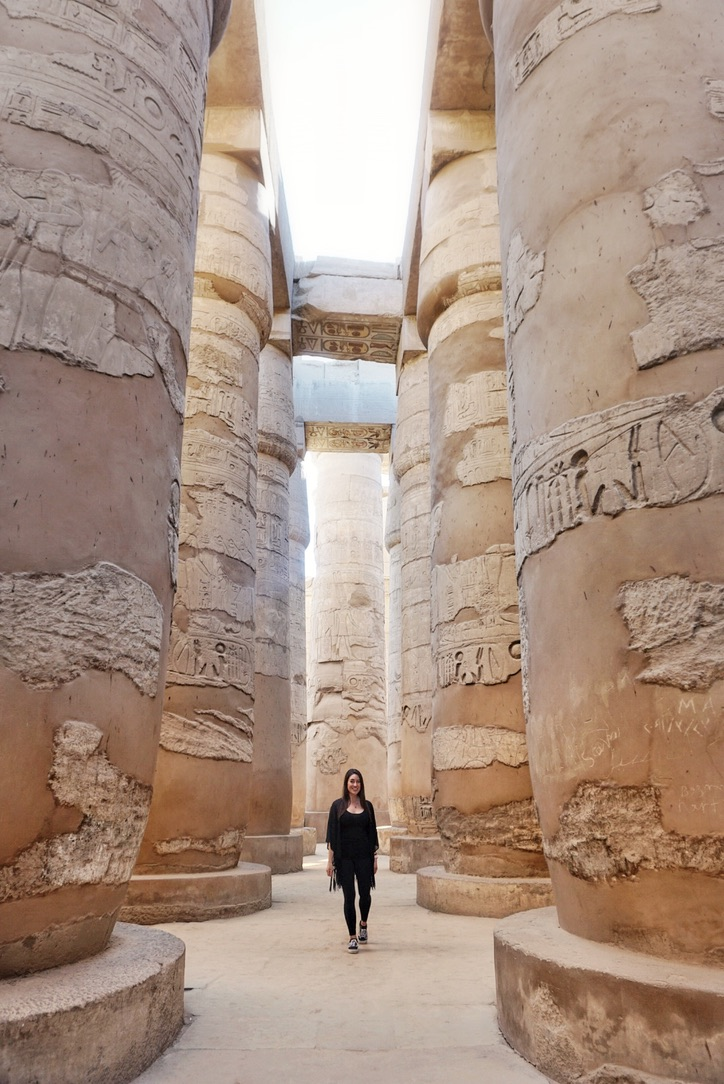
The Great Hypostyle Hall: This area was my favorite part of the temple complex. The hall consists of 134 massive columns arranged in 16 rows, all elaborately carved with hieroglyphs that were once brightly painted.
Some of the columns are almost 70 feet tall with a diameter of almost 10 feet. The Great Hypostyle Hall is visually stunning because of the sheer size and number of stone columns. It is a beautiful place for photography.
The Great Court: This is the largest single area of the temple complex. It was used once a year for elaborate celebratory festivals.
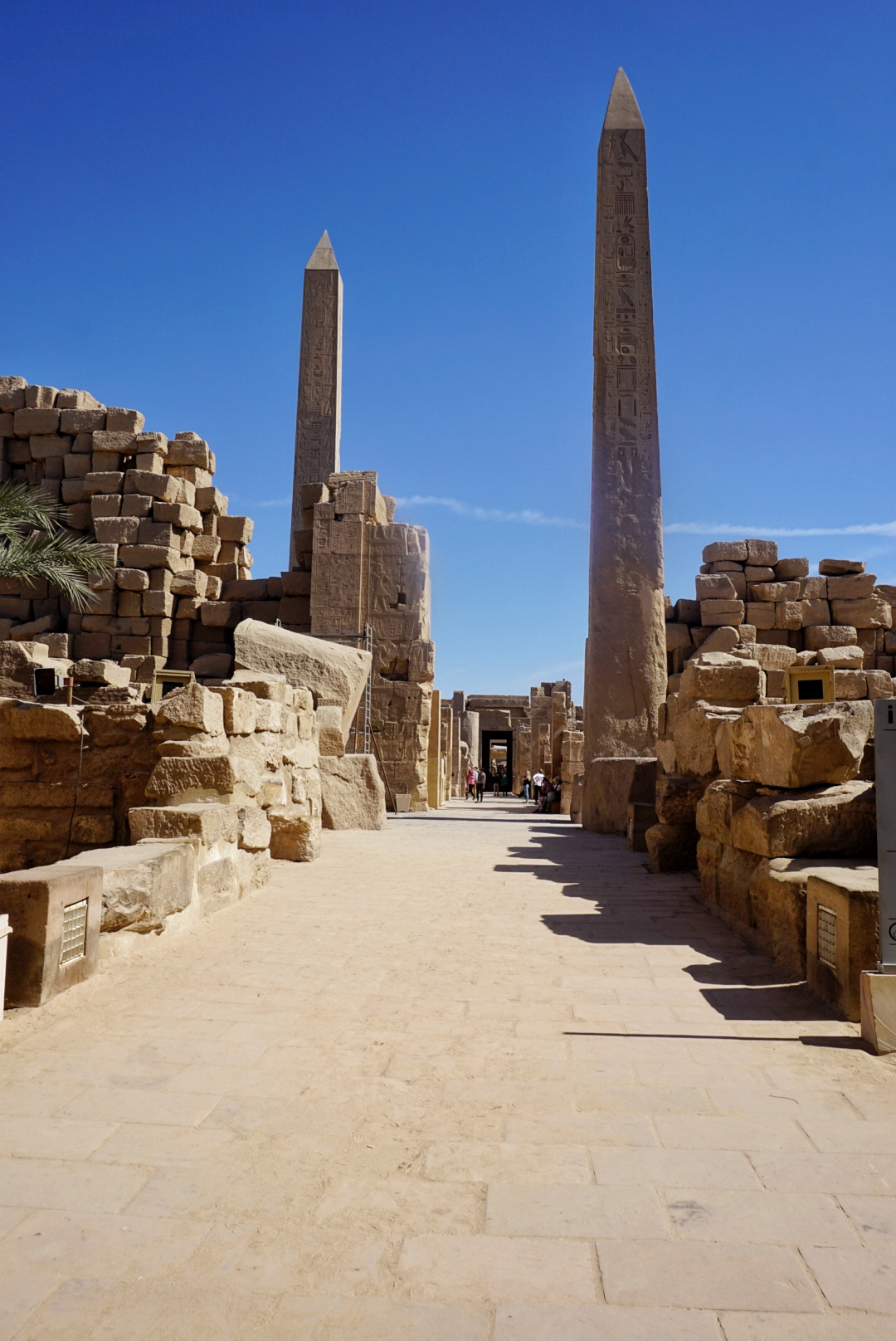
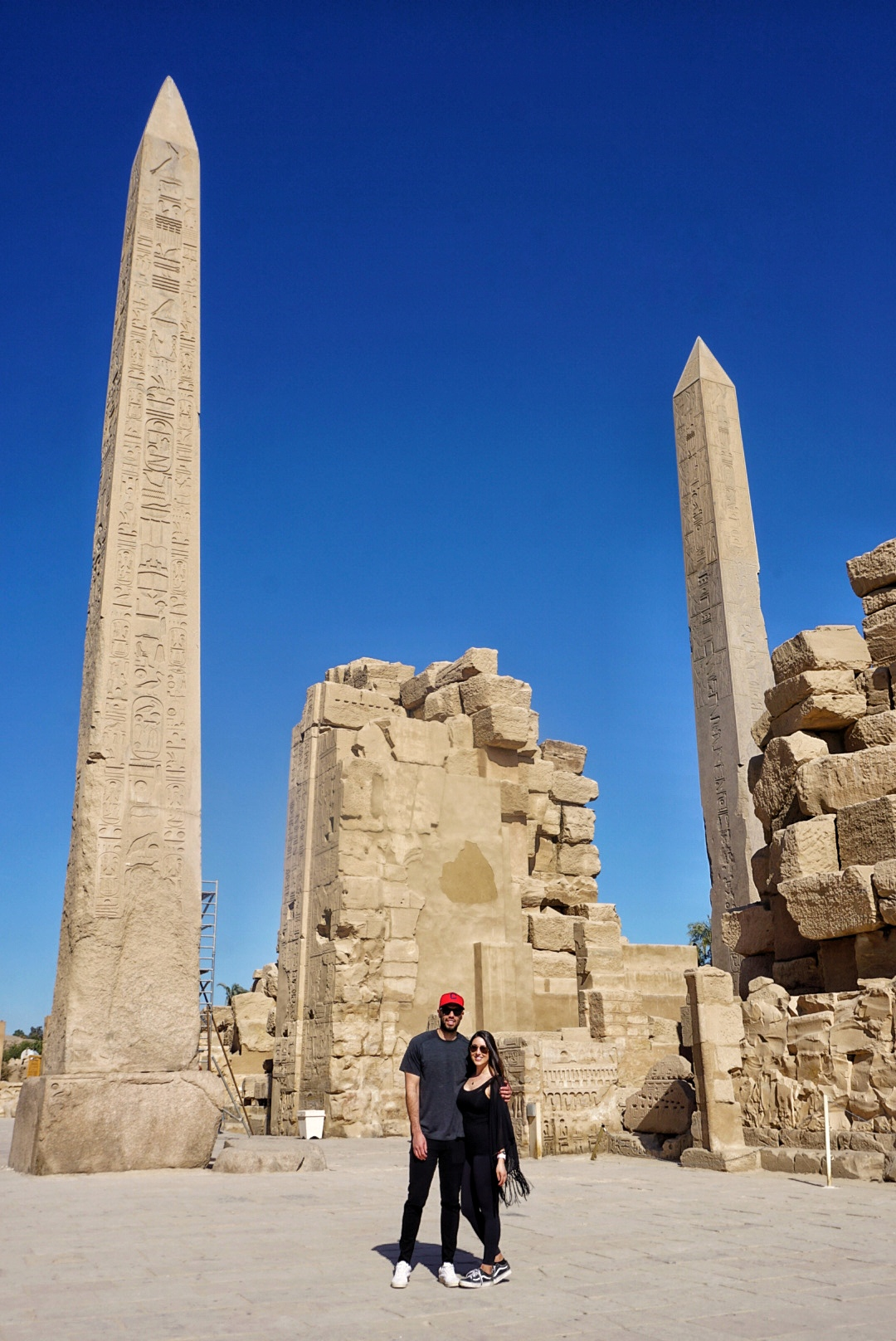
Obelisks: Obelisks are monolithic structures that symbolically connect Earth with the Gods in ancient Egyptian culture. There are only 2 standing obelisks remaining in Karnak Temple and they are incredible to see in person.
The obelisks were carved out of a single piece of stone. What really impressed me was that the stone was quarried in Aswan and then shipped approximately 100 miles on the Nile River to Luxor! I can’t imagine the amount of manpower this feat required.
Horse Drawn Carriage
After you finish exploring Karnak, you will notice there are a lot of horse drawn carriages waiting around the exit. If a carriage ride interests you, this is a fun way to get back to your hotel.
However, in my experience the drivers can be really pushy about upselling you on a “Luxor tour.” Our driver refused to take our payment at the end of the ride and insisted he would pick us up tomorrow for a tour and we would pay him then. We refused multiple times and said we already had plans for the next day, but that did not deter him.
In the end, it was an unnecessarily awkward situation trying to pay for our ride while refusing further services and the driver refusing our money unless we agreed to a tour.
Click here for additional travel tips for safety and avoiding scams when traveling to Egypt
Day 6: Luxor – Valley of the Kings and Luxor Temple
Valley of the Kings
We are taking this party underground today! I was really excited for this portion of the trip and to walk through ancient Egyptian tombs. The Valley of the Kings is home to the final resting place of the most famous Pharaohs in history.
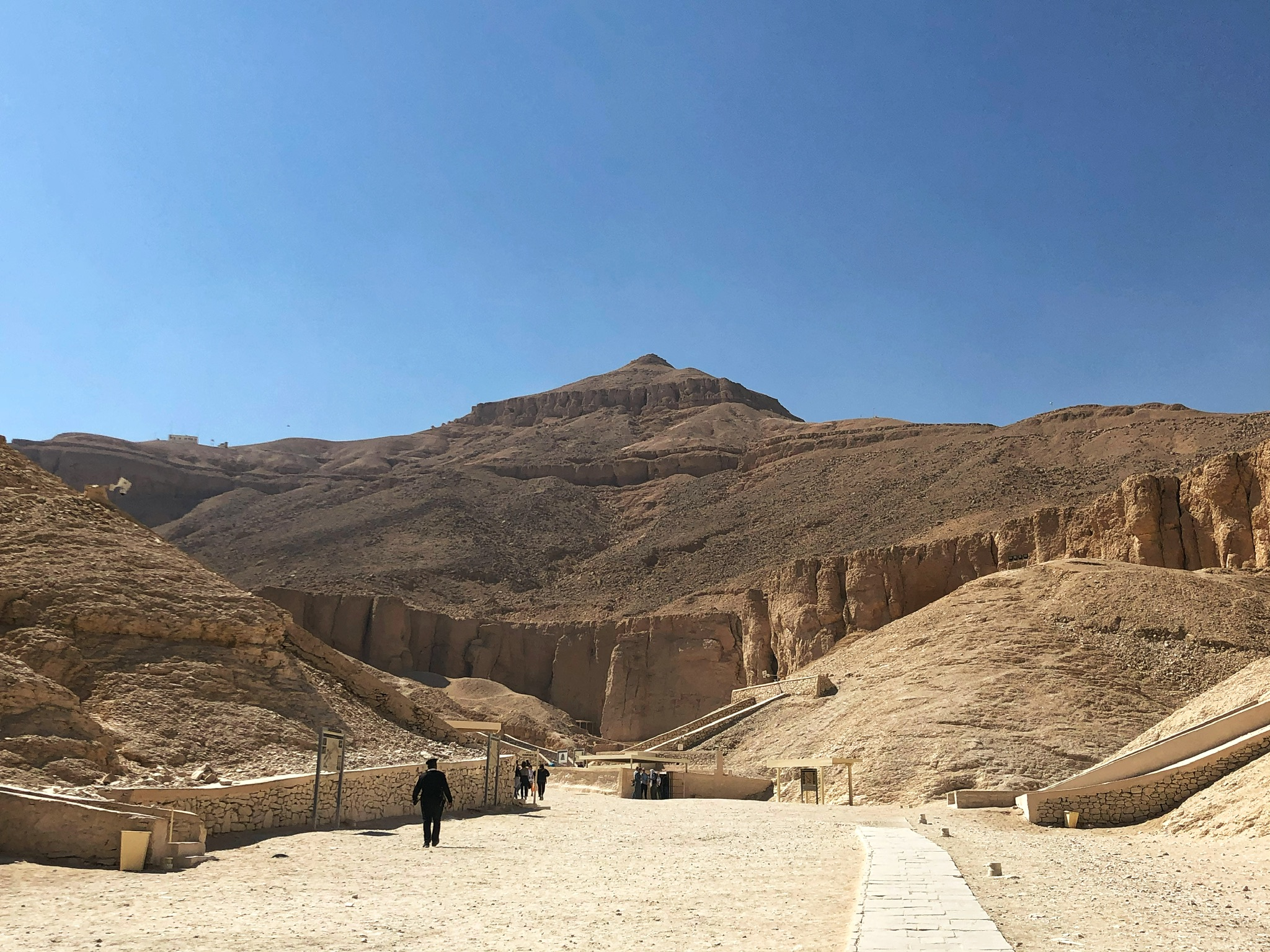
From the outside the valley looks like nothing special, only a desert landscape with monochromatic mounds of sand and dirt. This inconspicuous location provided extra security and an advantage to prevent tomb robbing.
The valley is home to underground rock-cut tombs adorned with elaborate murals depicting scenes from the afterlife and hieroglyphic inscriptions…maybe even curses?!
These tombs were constructed to house the remains of Egypt’s rulers and elites, along with treasures and offerings for the afterlife. It is amazing how much effort went into tombs for the dead.
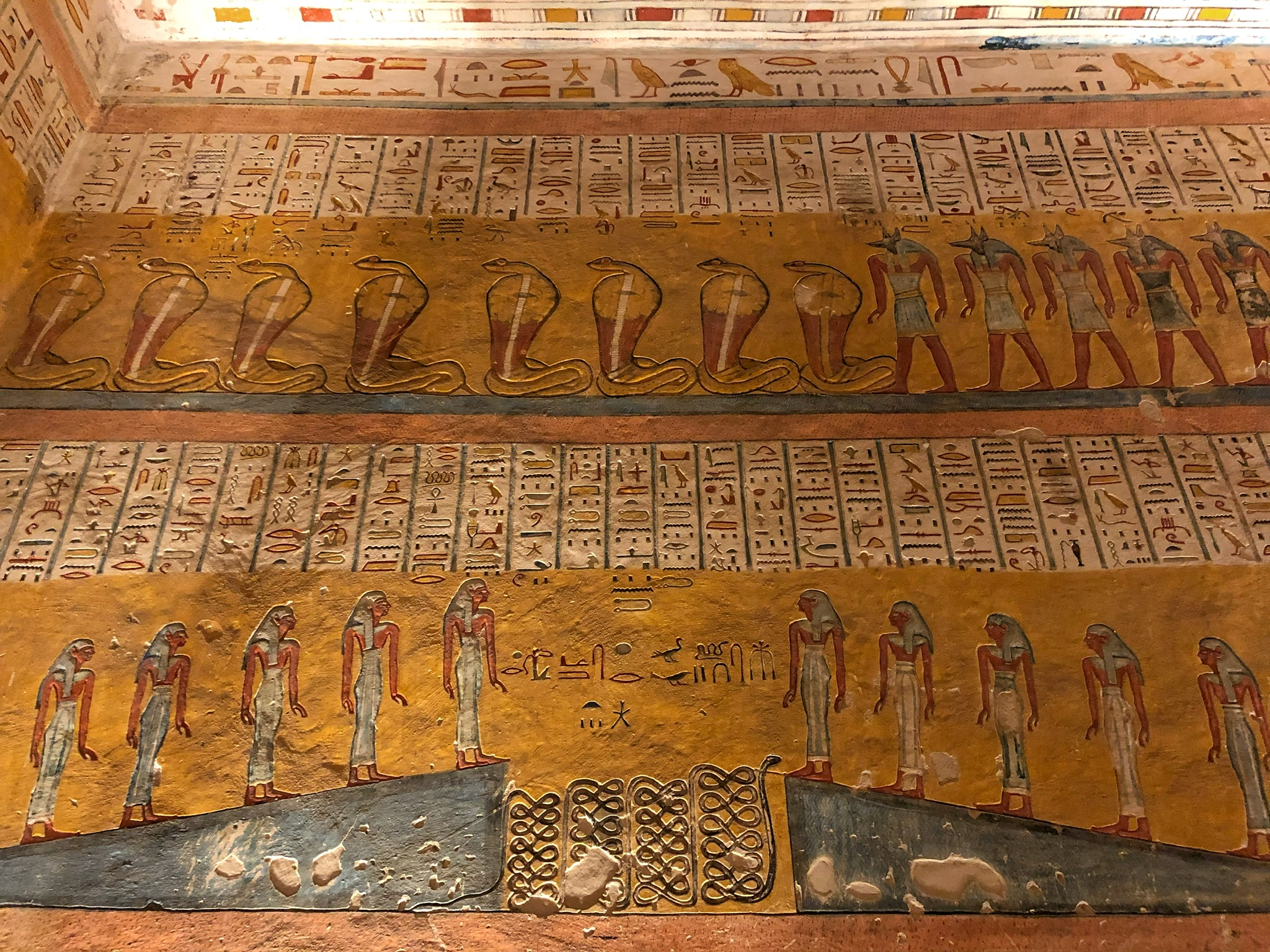
The Valley of the Kings offers insight into Egyptian culture and rituals related to the afterlife. The ancient Egyptians believed the physical body needed to be as whole as possible for the journey into the afterlife. The elaborate embalming rituals and mummification process lasted approximately 70 days. The tombs were stocked with practical things needed in the afterlife such as food, alcohol, clothes, furniture, mummified animals, and of course treasures.
Logistics for Visiting The Valley of the Kings
The entrance ticket = 600 EGP per person. You are allowed to visit 3 tombs of your choice. You can purchase tickets online or at the entrance gate. Additionally, there are specialty tombs that you can visit with a separate ticket – you must purchase this at the entrance before going into the valley.
Tombs are labeled with “KV” and a number, KV = Kings Valley. Not all of the tombs are open for the public to view, they occasionally rotate which are open.
Here are the tombs available to tour with the general ticket when we visited:
KV1 Ramesses VII
KV2 Ramesses IV
KV6 Ramesses IX
KV8 Merenptah
KV11 Ramesses III
KV14 Tausert-Setnakht
KV15 Sety II
KV16 Ramesses I
KV43 Thutmose IV
KV47 Siptah
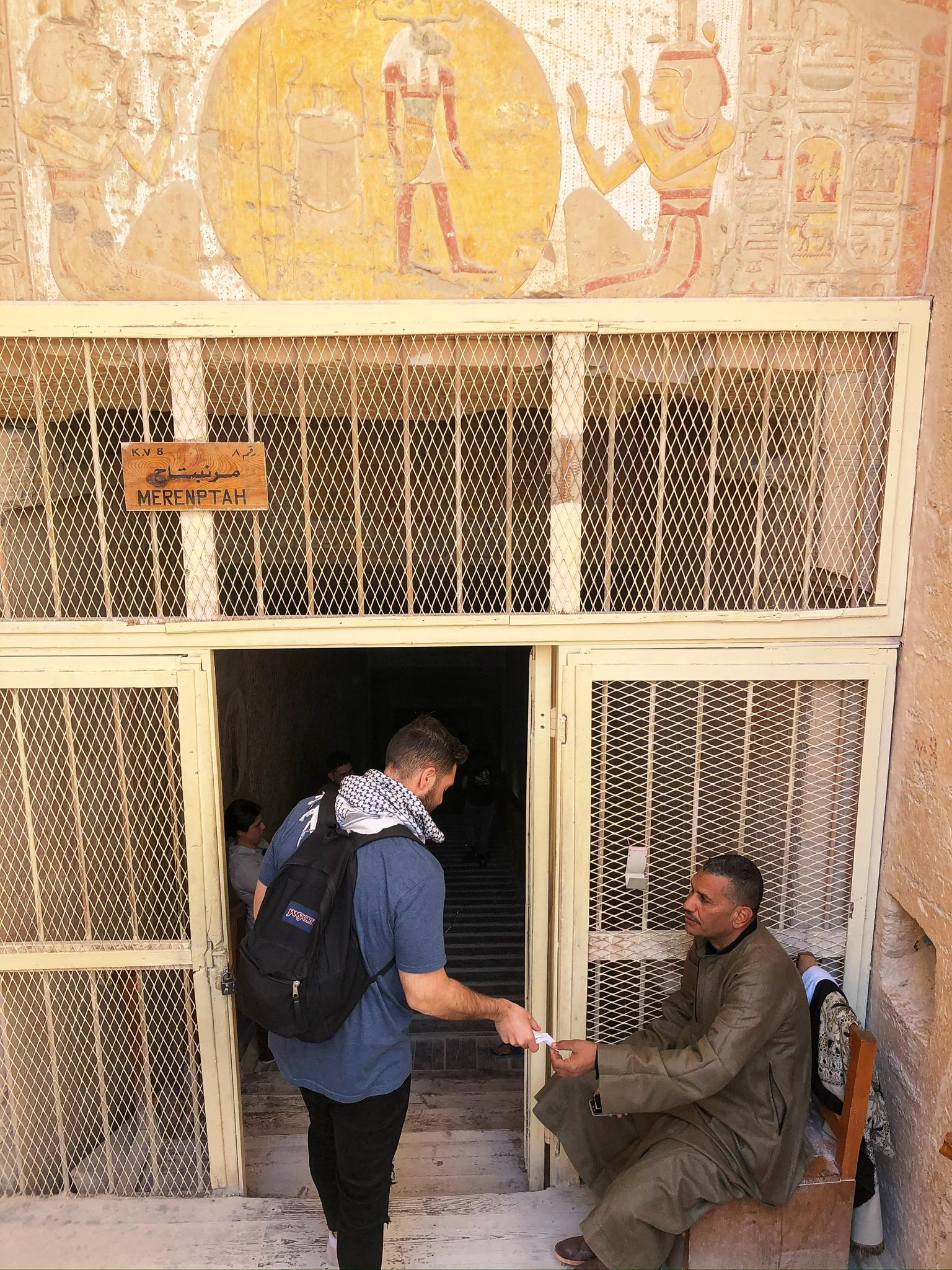
As you visit the tombs, someone will check your ticket at each entrance and hole punch it to indicate how many you have visited. Once you have 3 hole punches, your visit is complete. We toured KV2, KV8, and KV11.
If you want to visit additional special tombs, here is the list and ticket prices as of 2024:
Aye Tomb = 150 EGP
Tutankhamen Tomb = 500 EGP
Ramesses V&VI Tomb = 180 EGP
Seti The First Tomb = 1,800 EGP
Visiting King Tut’s Tomb
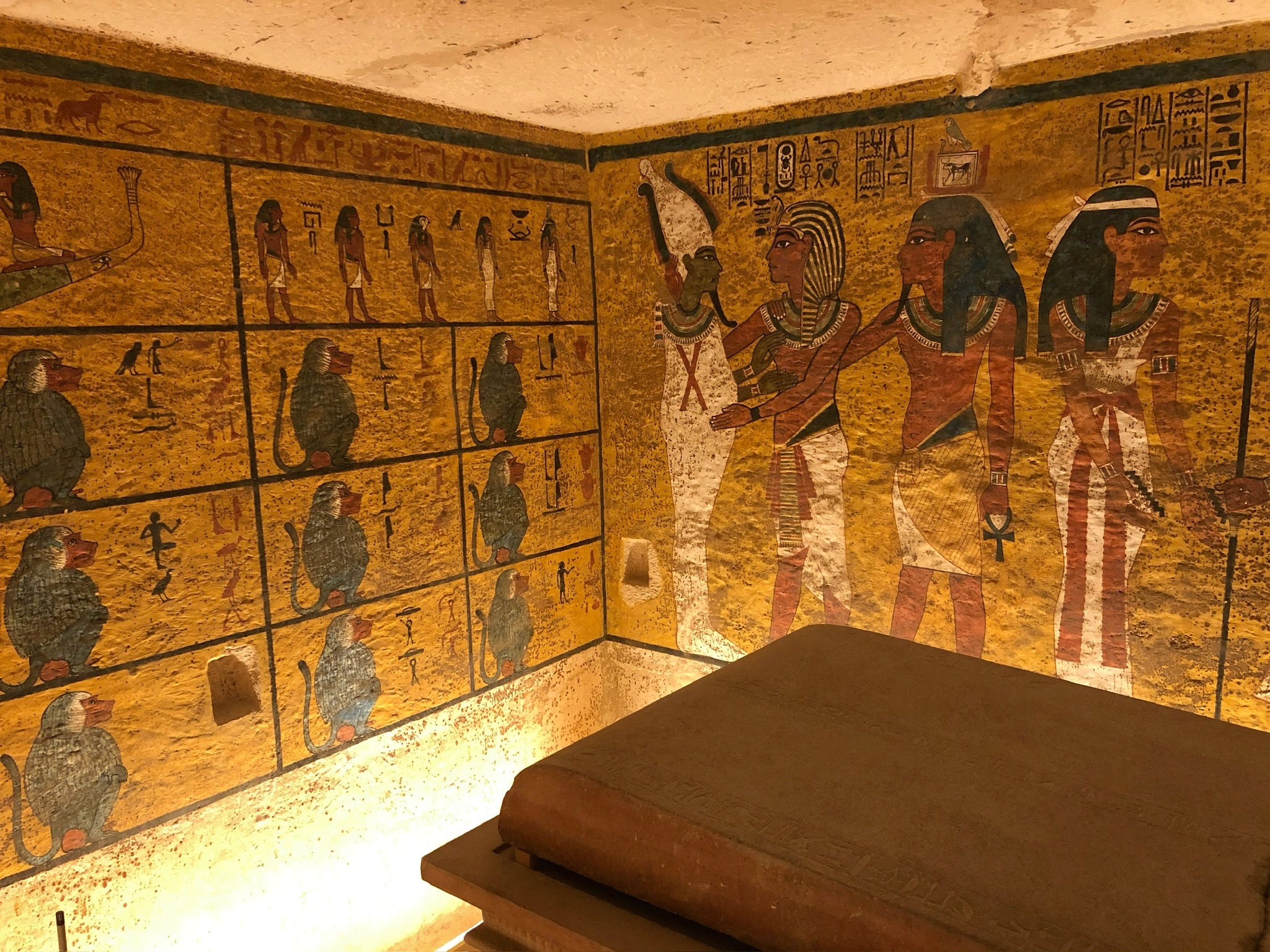
There are 65 known tombs in the valley. The most famous is the tomb of King Tutankhamun. Howard Carter discovered the tomb intact in 1922. It contained more than 5,000 artifacts and treasures, including the iconic golden mask of the young pharaoh.
If you visited the King Tut room at the Egyptian Museum, I highly recommend visiting the tomb as well for the full experience! The tomb is quite small and the artwork is not as grand, but it’s the only tomb with a mummy still inside!
To visit the tomb, you will need to purchase a separate ticket specifically for Tutankhamen Tomb in addition to the general entrance ticket.
Tips for Visiting the Valley of the Kings
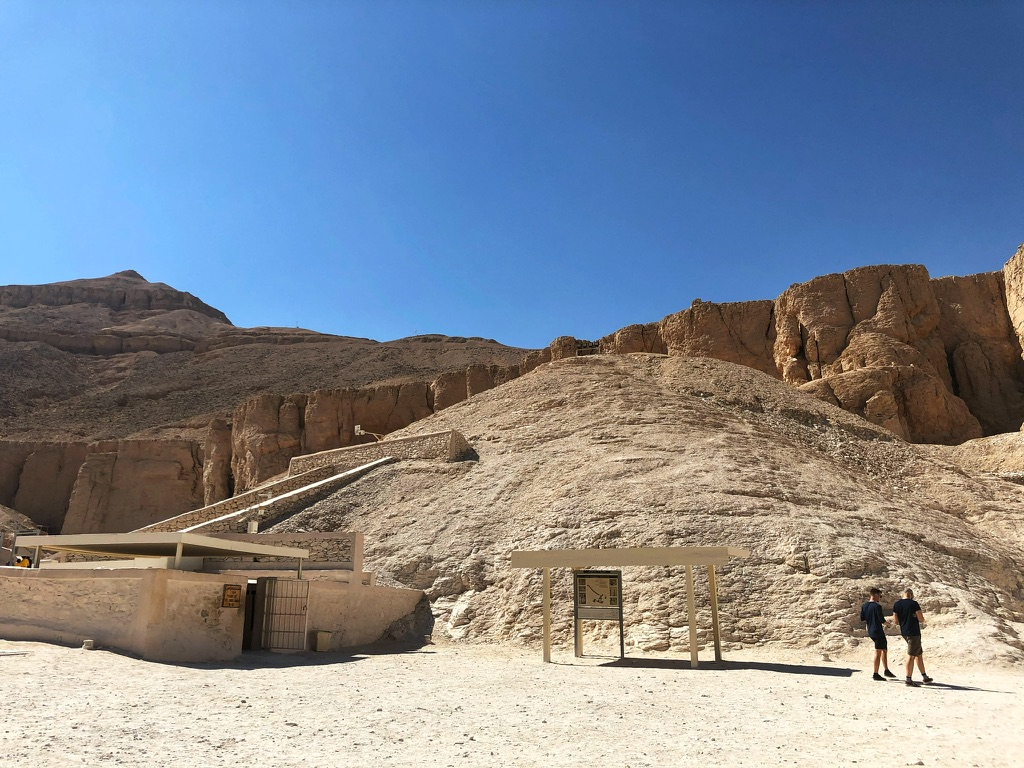
If you are able to walk, don’t bother paying for the tram at the entrance unless it is really hot outside. Save the extra money and put it towards a ticket to visit an extra tomb. The walk is about 5 minutes long. The tram ticket costs 20 EGP, which is cheap and I’m sure it’s worth it on a hot summer day.
“Tomb fatigue” is a real thing. After days of looking at hieroglyphs and murals around Egypt, it gets a bit repetitive. This does not take away from the overall experience of visiting the tombs! For us, visiting the 3 tombs included with the entrance ticket + one additional specialty one tomb felt like a good amount. We weren’t rushed and left before feeling burnt out. If you want to visit every tomb, you might consider spreading the visit out over 2 days.
As with most other sites in Egypt, it costs extra to bring an actual camera into the tombs. You will have to pay for the “photography pass.” Otherwise, taking pictures on your cell phone is free and acceptable.
Do You Need a Guide to Visit Valley of the Kings?
You do not need a guide, unless you want to learn additional history and information. In that case, hiring an Egyptologist would be beneficial. However, guides are not allowed to enter the tombs. An official tour would likely include transportation to and from the site, which is helpful.
There is a site map at the entrance that you can take a picture of to reference where the individual tombs are and it’s easy to navigate.
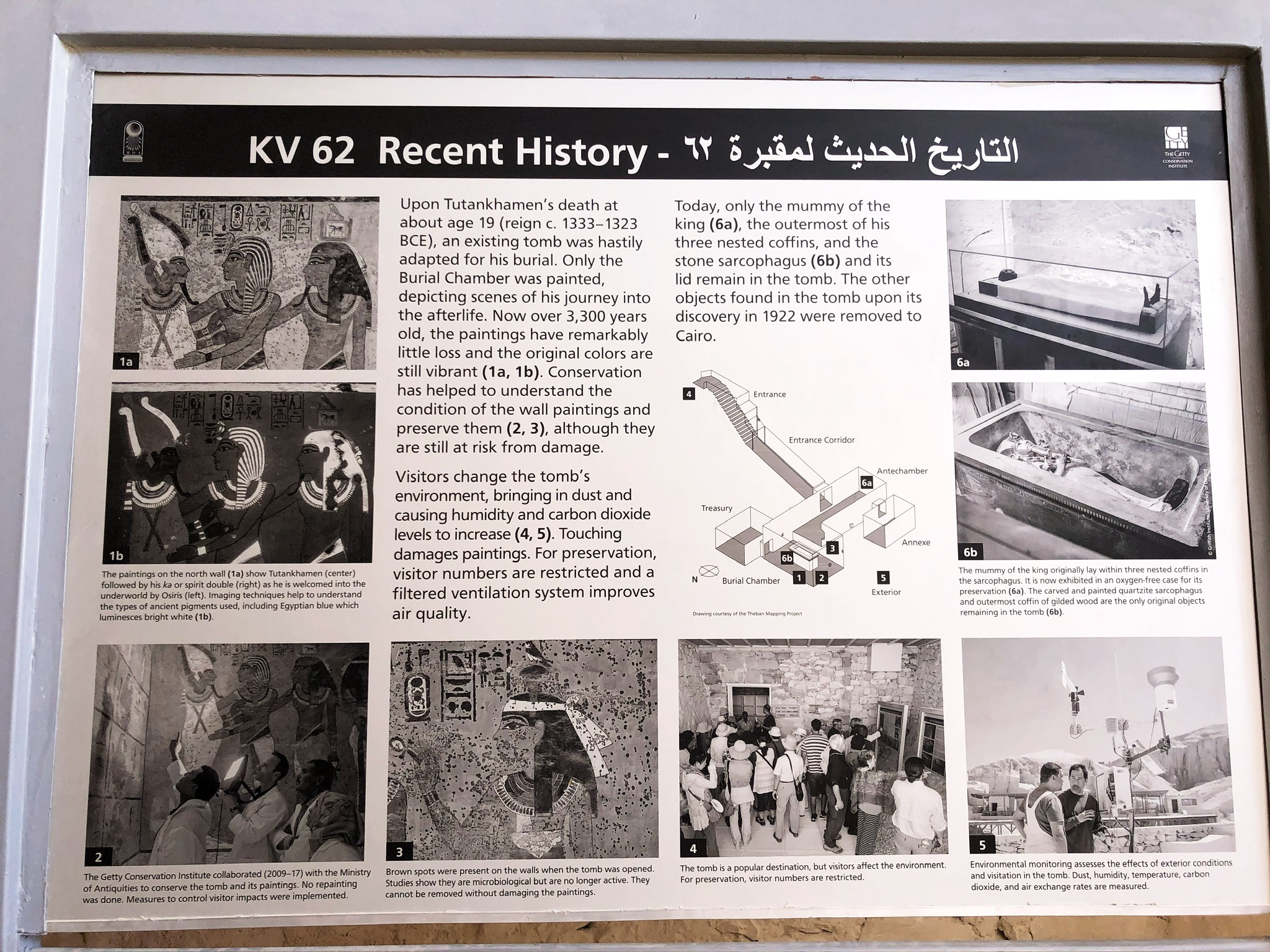
At the tomb entrances there are signs that provide historical information. It is helpful and interesting to browse before entering if you do not have a guide to tell you about the tomb and Pharaoh.
We opted to do our own research ahead of the visit and we paid for a round trip driver to and from our hotel instead of a guide or tour.
Luxor Temple at Night
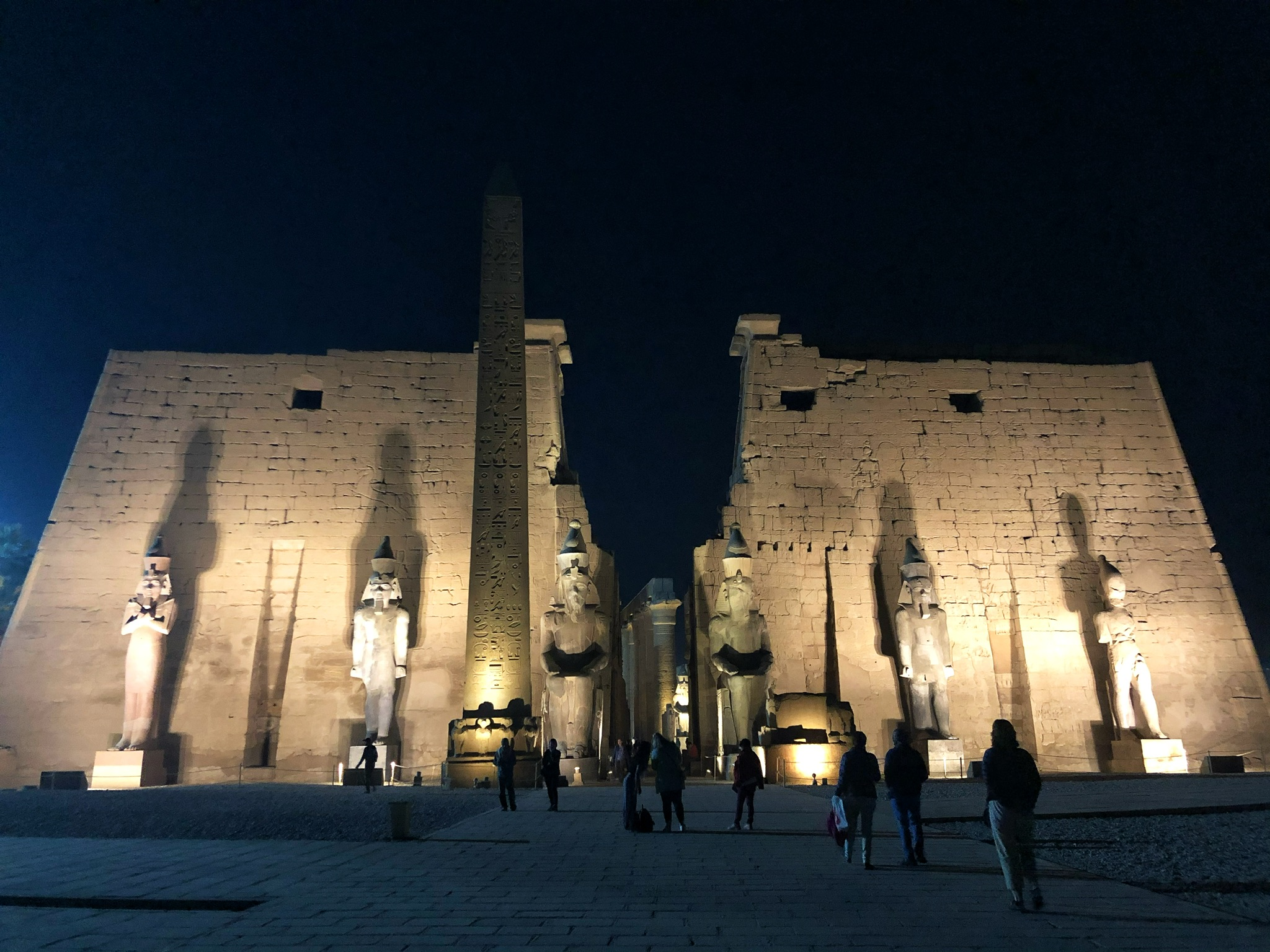
To maximize our last day in Egypt, we decided to visit the Luxor Temple at night. This allowed us to take a nice break after visiting Valley of the Kings in the morning, get out of the midday heat, and eat dinner before heading out for the night.
The Luxor Temple is one of the most famous and well preserved sites in Egypt. The entrance to the temple is another example of Egyptian grandeur. There are two massive walls with 6 statues and an obelisk. It looks incredible illuminated at night.
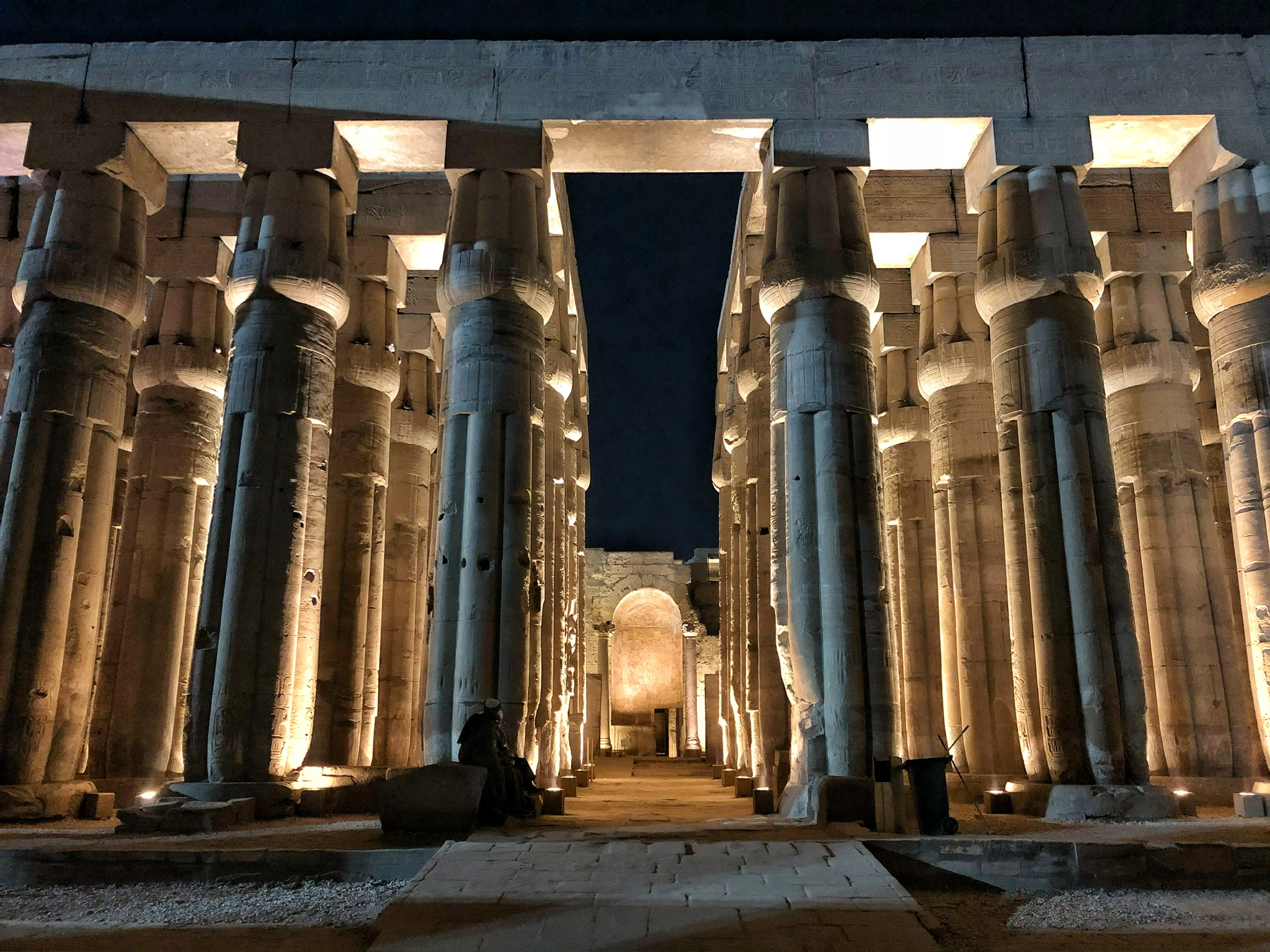
Opposite of the entrance is the Avenue of the Sphinxes, which connects all the way to Karnak Temple. I loved the pillared hall within the temple, the lighting really captivated the columns and added to the ambiance of the temple.
We spent about an hour exploring the temple and did not opt for a guide. This was the perfect ending to an amazing week in Egypt. Entrance ticket to Luxor Temple = 400 EGP
Day 7: Departure
After one jam packed week in Egypt, it’s time to close out the trip. All major international flights fly out of Cairo International Airport. There are multiple direct flights from Luxor to Cairo on several airlines. The flight is approximately 1 hour and 10 minutes. Other ways to get back to Cairo include a 10 hour train ride or an 8 hour bus or car drive back to Cairo.
Check out the blog I wrote about Egypt travel tips to help you plan your trip!
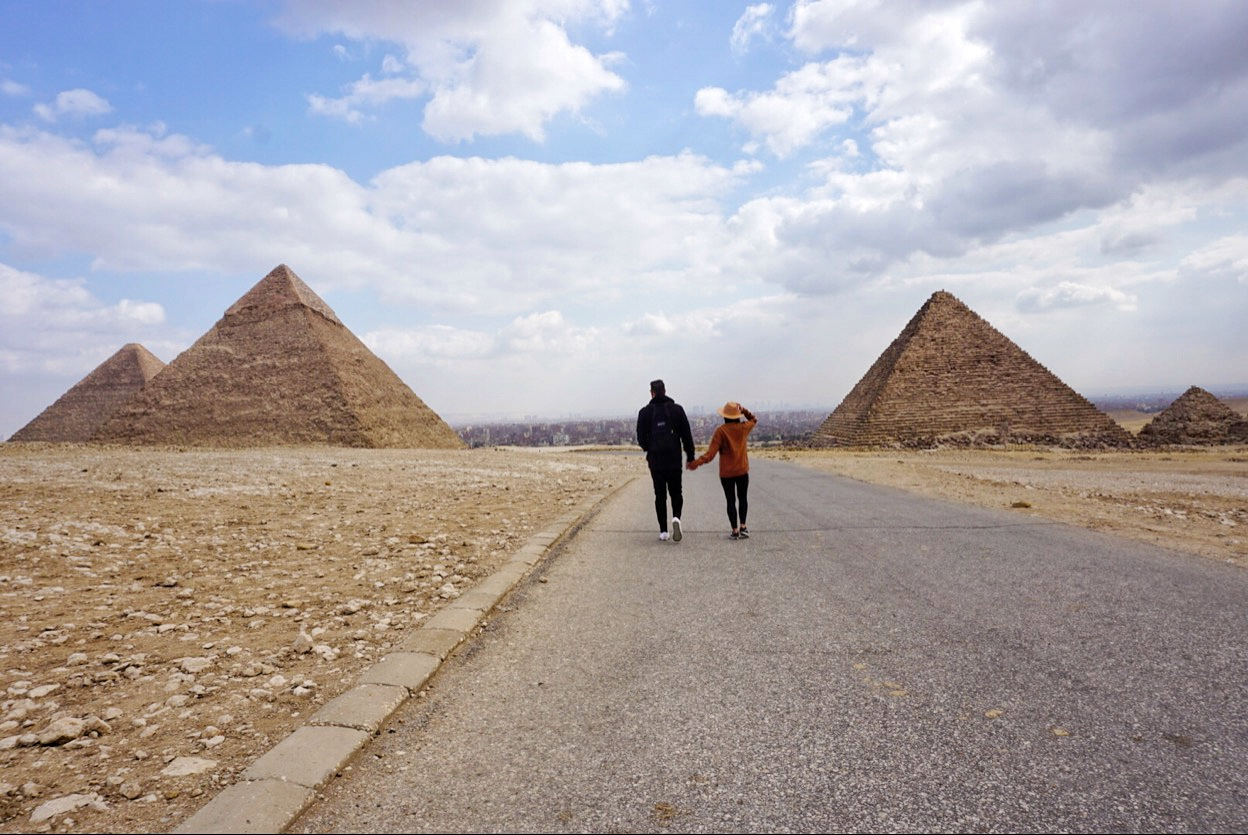
After visiting Egypt, you can’t help but walk away feeling humbled and amazed from what you have seen and experienced. I hope this travel guide helps you make the most of one week in Egypt!
If you have more time, consider adding these to your itinerary:
Kom Umbu
Edfu Temple
Consider taking a 3 night Nile Cruise from Aswan traveling north to Luxor
Queen Hatshepsut’s Temple
Alexandria
Felucca boat ride on the Nile River
Sunrise hot air balloon ride over Valley of the Kings
Hurghada or Sharm el Sheikh – on the Red Sea
Valley of the Queens – specifically Queen Nefertari’s tomb
Save & Share📍