Egypt Travel Tips: An Essential Guide
Are you planning a trip to Egypt? Here are some travel tips for safety, avoiding scams, useful trip planning information, and tips to ensure you have the best trip possible to Egypt.
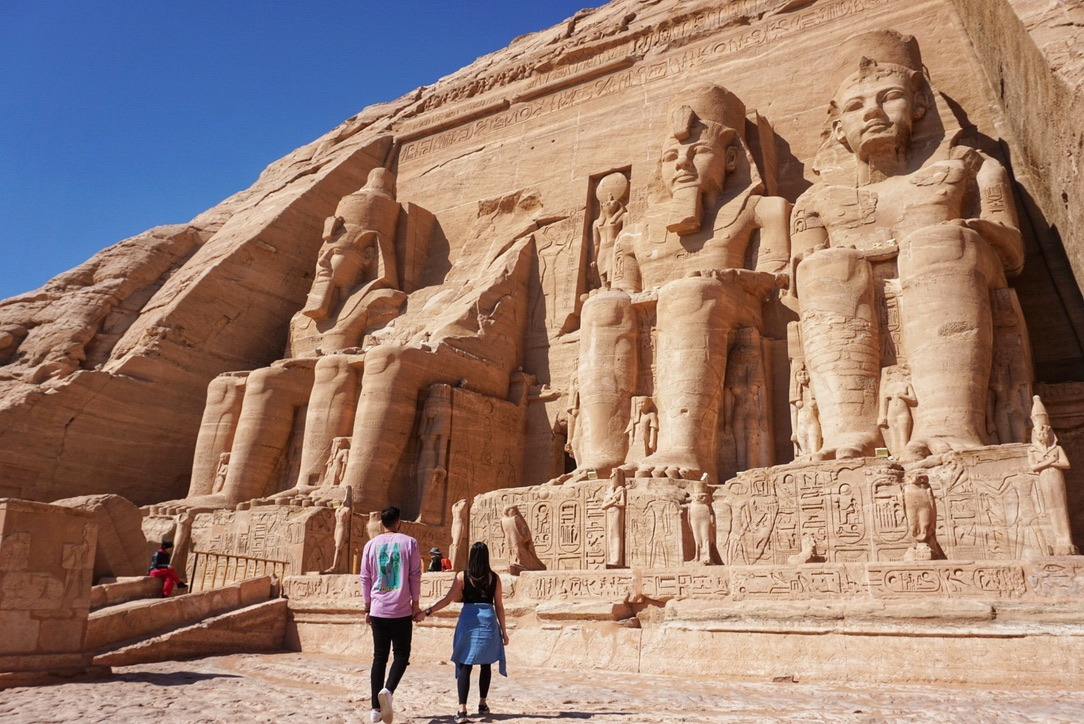
Egypt exudes adventurous travel where you can explore ancient tombs of pharaohs, marvel at the mysteries of the pyramids, and ponder the remnants of a highly advanced civilization.
When planning a trip to Egypt, it’s important to consider the country’s culture and etiquette. Showing respect for a country’s traditions and etiquette demonstrates sensitivity and appreciation for the local culture. Here are tips to help you plan your trip to Egypt.
Egypt Travel Tips
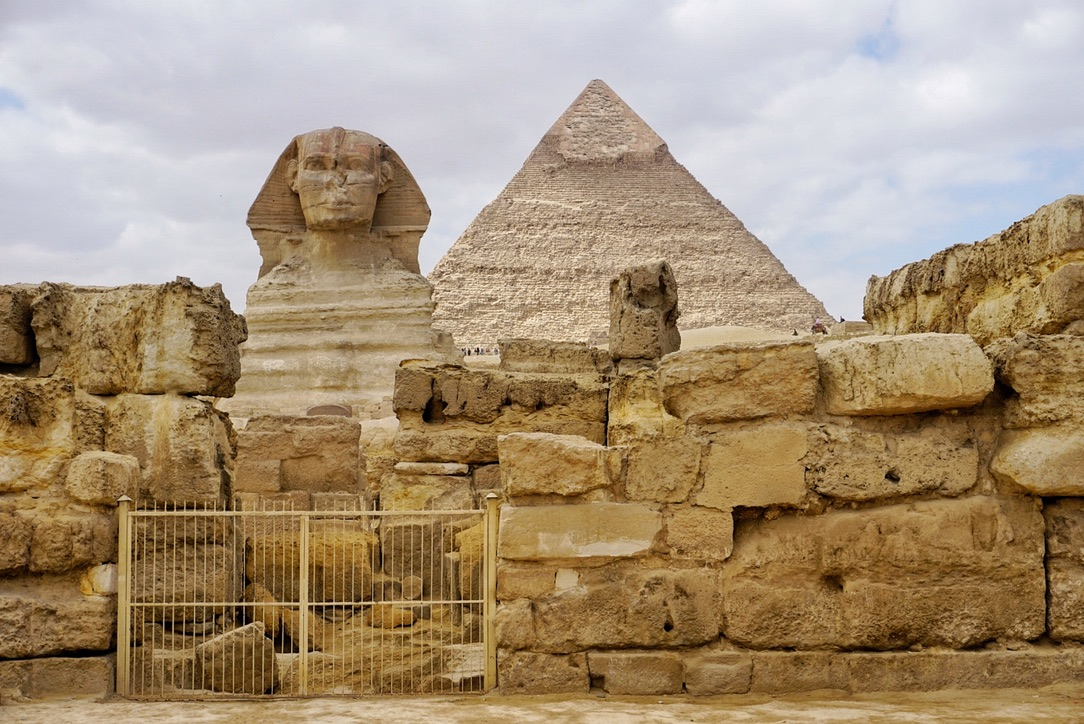
Currency and Money Matters
Cash is King
The Egyptian pound is the official currency of Egypt. Cash is widely used throughout the country and essential for small transactions and tips.
Tipping
Tourism is a huge part of Egypt’s economy and many people working in the travel industry rely heavily on tips.
You will frequently hear people ask for “baksheesh” (tip) while traveling through Egypt. Tipping is standard practice in Egypt and often shamelessly asked for. In general, a 10-15% tip is a good amount for restaurants, drivers, tour guides, hotel staff, etc.
Health and Hygiene
Water
Don’t drink the tap water in Egypt. It’s better to be safe than sorry with a stomach ache. For drinking purposes, it’s best to drink bottled water or travel with a reusable water purifying bottle.
Hygiene
It’s best to be prepared with a small hygiene kit with tissues and/or wipes and hand sanitizer to carry around with you. You never know what the bathroom situation will be. Also, wash your hands frequently.
Dress Code

There is no dress code for tourists in Egypt, but it is important to keep in mind that Egypt is a predominantly Muslim and conservative country. If you want to respect the cultural norms and not stand out as a tourist, plan to dress modestly.
For ladies, that means covering your shoulders, chest, and knees. I recommend light, breathable fabrics and natural fibers to stay cool in the sun. There is no reason to cover your head unless you are visiting a Mosque. A light scarf is a good accessory to cover up if you need shade from the sun or if you are wearing a tank top.
We visited in the winter so I paired my leggings with oversized sweaters, long shirts, kimonos, and jackets. Some online sources recommend avoiding leggings/yoga pants, but they are a staple in my travel wardrobe and I couldn’t go without them.
People are going to stare at tourists regardless, so wear what you feel comfortable in and ignore the stares.
Photography
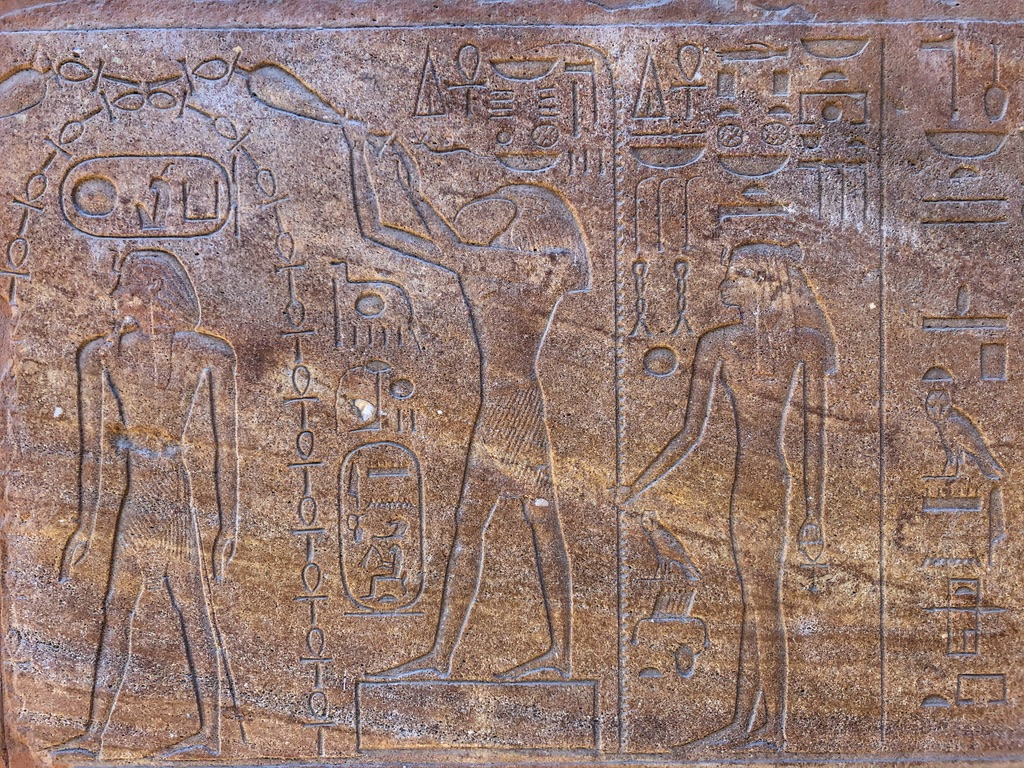
Egypt has a historical reputation for strict photography rules and even confiscating camera equipment from tourists. Recently the Tourism Ministry announced they are relaxing regulations on street photography and amateur photography. However, pictures of children, commercial photography, and taking or sharing any photos that can “damage the country’s image” are forbidden. Got it 😕
In my experience, every site charged a fee to bring a camera into the sites as well as a fee for a tripod. This practice is currently questionable and seems to change often. According to the Ministry of Tourism website, “photography with a mobile phone is free of charge” which leads me to believe they are still charging camera fees.
However, some personal accounts online state they were not charged for camera equipment. Confusing, right?! On top of that, sometimes the guards will ask for “baksheesh” (tip) to take your photo, bring cameras in, or offer you access to special areas.
Stay Safe in the Sun and Heat
The desert climate is no joke. Pack a sun hat, sunglasses, sunscreen and stay hydrated. If you are visiting during the hot months, make sure to get an early start and then take an afternoon break at your hotel to beat the midday heat.
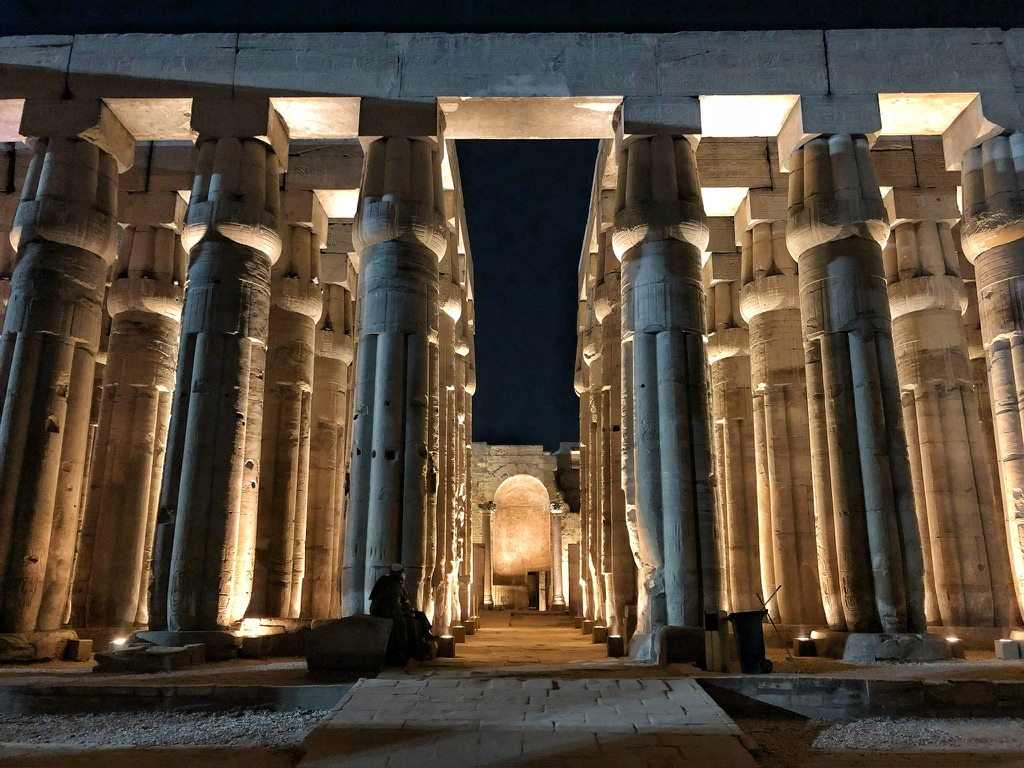
A lot of temples offer night time entrances which are much more enjoyable than visiting in the heat of the day.
Best Time to Visit Egypt
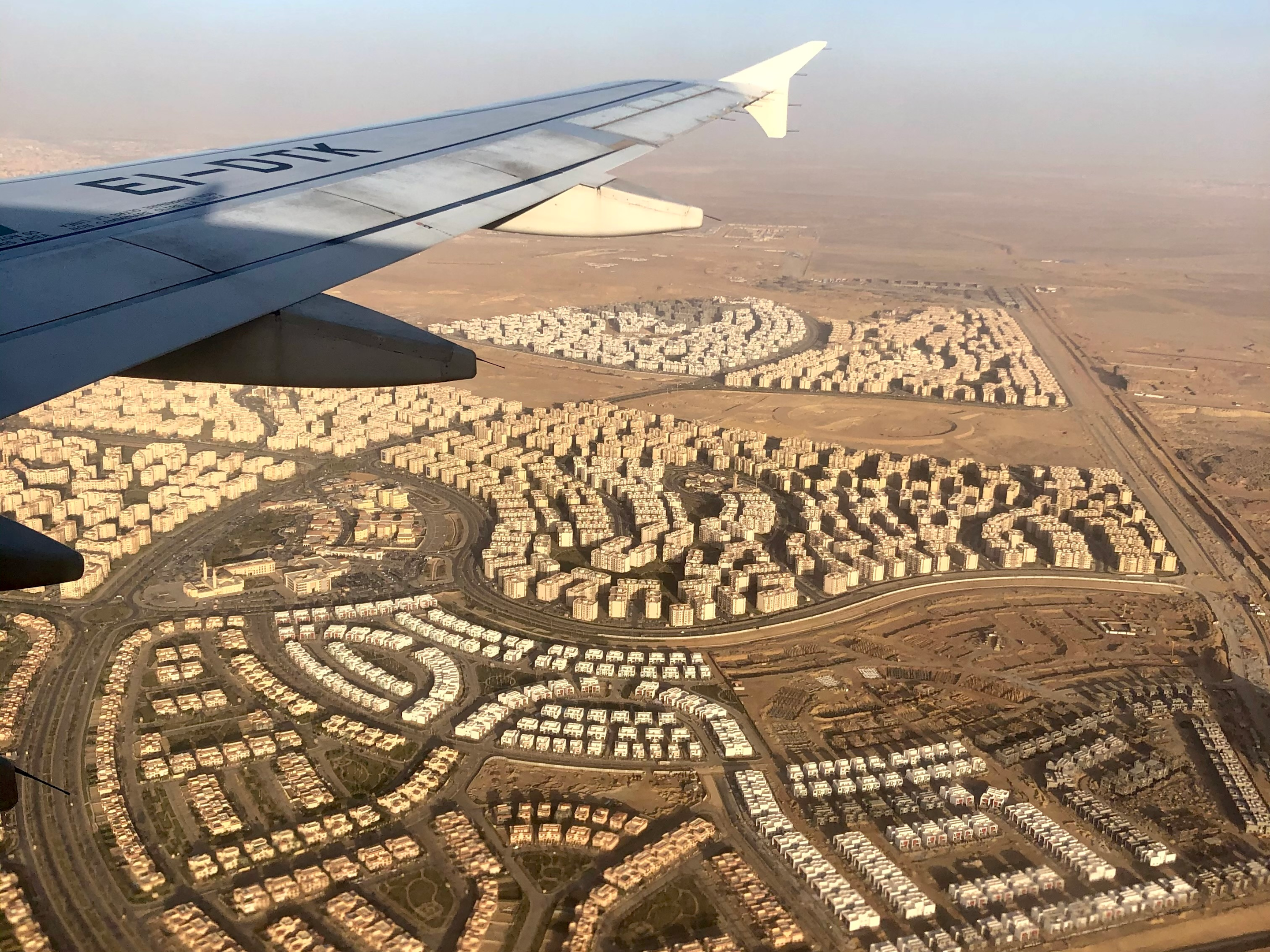
Egypt boasts year round sunshine with a warm and dry climate. The most favorable temperatures for sightseeing come in the colder winter months of December through February. The winter months are chilly in the early morning and at night, so be sure to pack a light coat or layers.
Peak season for travel is October through February when the temperature is mild. Considering there is little shade and visiting the underground tombs can get hot and stuffy, the winter months are a preferred time to visit Egypt.
Summer temperatures in Egypt soar above 100 degrees Fahrenheit. The off season months of May to August are generally cheaper to travel to Egypt. Book a hotel with a pool if you choose these months and you can sightsee early in the day and take an afternoon pool break to cool off.
The shoulder season months of October-November and March-April are also a nice time to visit. The weather is warmer, usually hovering around 80 degrees.
Egypt Travel Tips for Safety

Overall, I felt safe traveling throughout the country, but the biggest issue I experienced involved touts and scams.
Aggressive Touts/Hawkers/Vendors
Touts/Hawkers/Vendors can be pushy and borderline begging for money. By the end of the week I was mentally exhausted from telling people “no.” It was the worst I’ve experienced throughout the world.
On our last day in Luxor, we paid for a taxi to drive us around instead of walking so we wouldn’t be bothered on the streets. The pushiness of the vendors caused me to not want to browse for souvenirs because if I looked interested, they would cling onto me and pressure me for a sale.
Keep in mind that nothing is free, everyone wants money from the tourists. We frequently experienced situations such as tipping someone and their response was to ask for more money stating it wasn’t enough, people giving unsolicited advice or attempting to give us a tour and asking for money, and guards offering to take your picture and then asking for money.
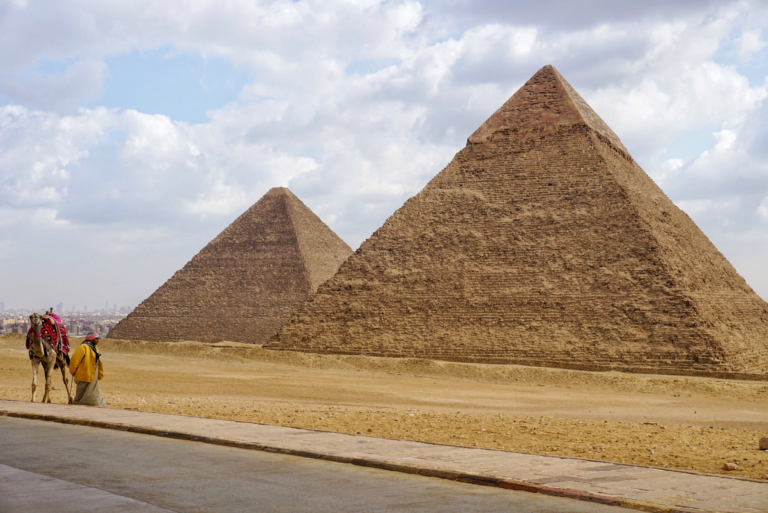
Our worst encounter occurred at the Pyramids when we were approached by a vendor. We ignored him until he put a scarf around my neck and demanded money. It was physically disturbing and harassing. We refused to pay and tried to hand it back to him. He was persistent about not taking it back stating, “you touched it, it’s yours now.” This must have worked in the past to annoy someone enough that they paid him just to go away. DO NOT give into them, it will reinforce their behavior and they will continue to do it to other people.
Expect to be approached by hawkers constantly. It seems harsh but honestly, don’t engage with anyone approaching you unless you want to get swindled into spending money or borderline harassed. At the end of the day you don’t have to be mean, just say no.
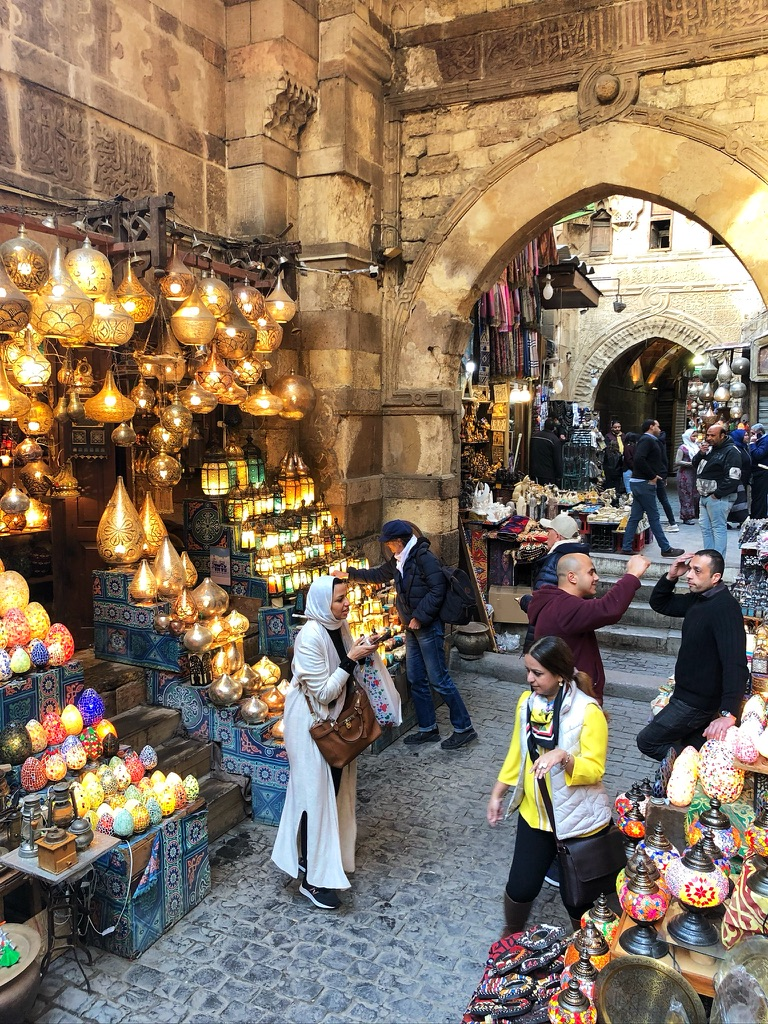
Keep in mind that poverty is widespread in Egypt, these people are likely desperate and trying to provide for their families. Tourism is very important for the Egyptian economy. You can positively help the community by visiting Egypt, making purchases in the markets, paying for tours/guides, and tipping those who provided services or helped you.
Use Licensed Taxis and Ride-Hailing Services
Avoid unofficial taxis. Use only registered taxis or reputable ride-hailing services like Uber or Careem. Agree on a fare before the ride if the taxi doesn’t use a meter.
Fake Guides and Tours
Some people may approach you offering to be your guide or provide a tour. Always book tours and guides through reputable agencies or your hotel.
Beware of Overcharging
Always agree on prices before accepting services such as camel rides, horse-drawn carriages, or other activities.
Traveling Independently vs Traveling with an Organized Tour
If you get overwhelmed easily and do not want to be hassled in any way, consider booking a guided tour for your trip to Egypt. This will ensure you have private transportation and you are less likely to be bothered by touts with a guide present.
Budget Friendly Travel Tips for Egypt
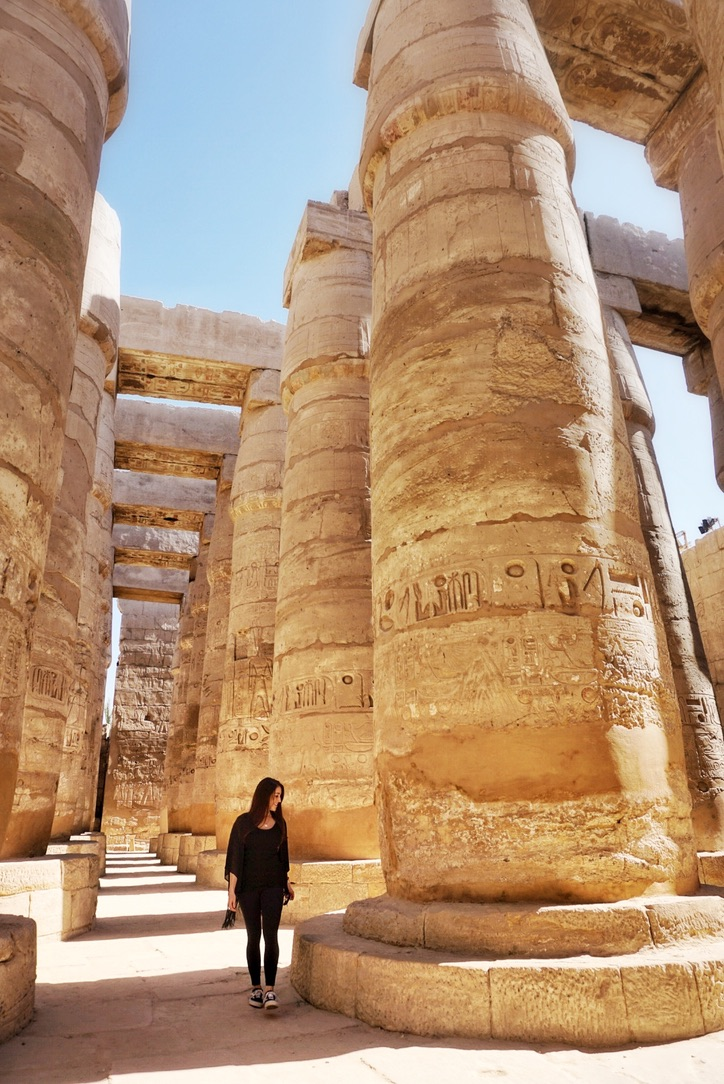
Egypt is a budget friendly travel destination because of the favorable exchange rate for USD. Here are some tips to help you make the most of your money while experiencing all that Egypt has to offer.
Plan Your Trip During Off-Peak Seasons
Traveling during the off season, typically between May and August/September, can save you money on accommodations and tours as prices tend to be lower during these times.
Eat Like a Local
Consider local eateries, street food stalls, and markets where you can find delicious and affordable meals instead of overpriced hotel restaurants. However, be mindful when eating street food. Consider the standards of hygiene and freshness of food prior to purchasing.
Use Public Transportation
Utilize public transportation such as buses and trains to get around cities and between major destinations. Public transportation is often much cheaper than private transfers or flying.
Use Uber service in Cairo instead of taxis, it is cheaper.
Negotiate Prices
Don’t be afraid to negotiate prices, especially when shopping in markets or hiring guides for tours. Bargaining is a common practice in Egypt and can help you secure better deals on souvenirs and services.
Student Discount
If you are a student less than 30 years old, you can get 50% off at every attraction with an International Student Identity Card (ISIC).
Travel Without Tours
We chose to travel independently without tours, which really helped to keep our costs down. However, there are a lot of little fees and extras that add up throughout the trip such as camera fees, extra exhibits/tombs, going inside the pyramids, etc.
If you are not careful, all of the little extras add up and can make the trip more expensive than you originally budgeted for.
Consider Buying the Cairo and Luxor Pass
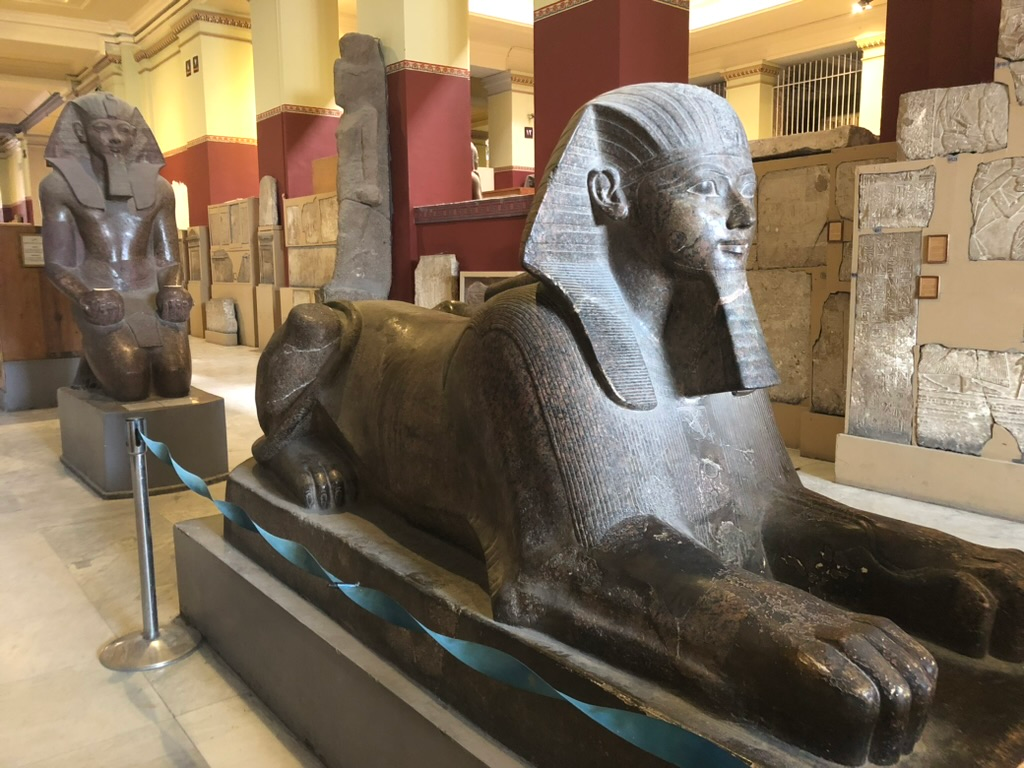
The Luxor and Cairo Passes are tickets designed to provide visitors with access to multiple historical sites and museums at a discounted rate. Each pass is valid for 5 days and will give you access to various attractions, archaeological sites, and museums.
You can receive a discount if you purchase both passes. This can be particularly cost-effective if you plan to explore a large number of sites in both cities.
Visa and Entry Requirements
If you are a U.S. citizen traveling to Egypt, you must have a valid visa to enter the country for tourism purposes. There are two options: purchase an E-Visa online in advance or purchase the visa on arrival at the airport. A single entry visa is valid for three months from the issue date and allows you to stay in Egypt for 30 days.
There are counters before you get in the customs line to purchase the visa on arrival. It costs $25 USD and you must pay the fee in exact change.
Final Advice
My only regret is not spending more time in Luxor. There is so much to see and I feel like we only skimmed the surface in 2 days. If you are trying to decide where to spend most of your time in Egypt, I recommend Luxor!
Check out my 7 day travel itinerary to help you plan your trip to Egypt!
In conclusion, considering a country’s cultural traditions and etiquette when traveling is crucial for respecting local customs, enhancing your travel experience, ensuring safety, promoting a positive image of travelers, and fostering personal growth.
This approach leads to more meaningful and enjoyable travel experiences and helps build positive relationships across cultures. I hope you enjoy all the unique experiences Egypt offers!
Save This Blog Post for Later📍🔗